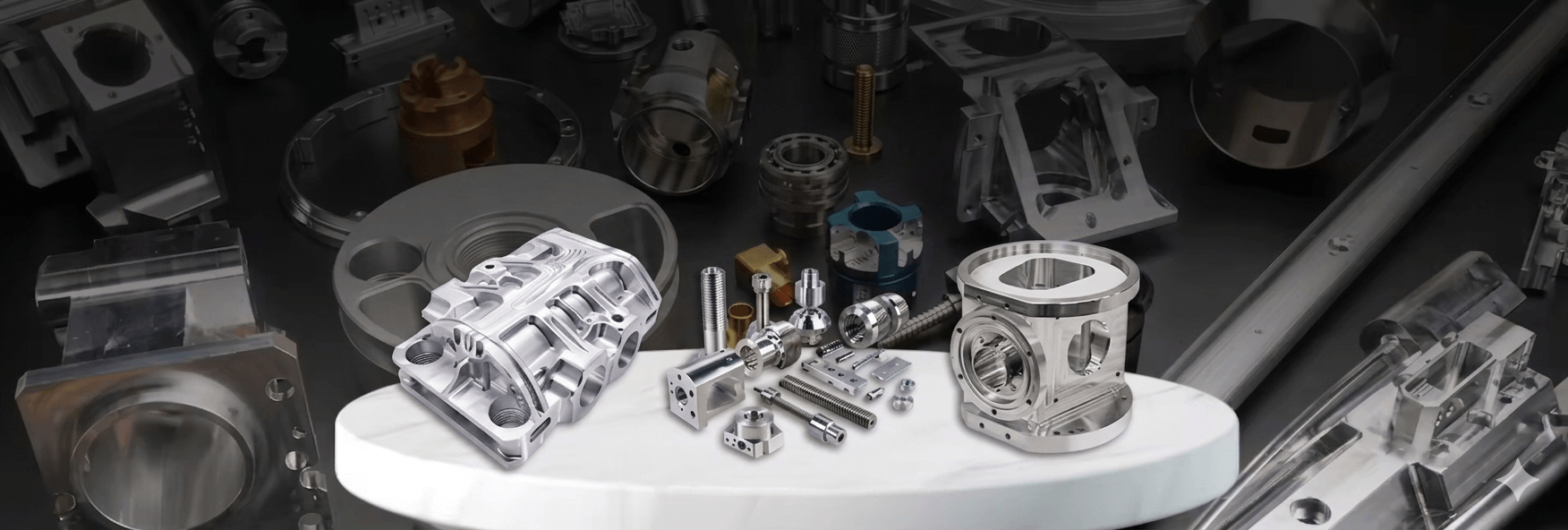
Precision CNC Machining Services
We offer cost-effective rapid CNC machining service and manufacturing service for your custom products.
- Rapidly-made Prototypes in a Few Days
- Precision CNC machined parts from prototype to production
- Engineering support & DFM review before production
- Small batch to mass production, flexible MOQ
All uploads files are safe and confidential
Our CNC Machining Services
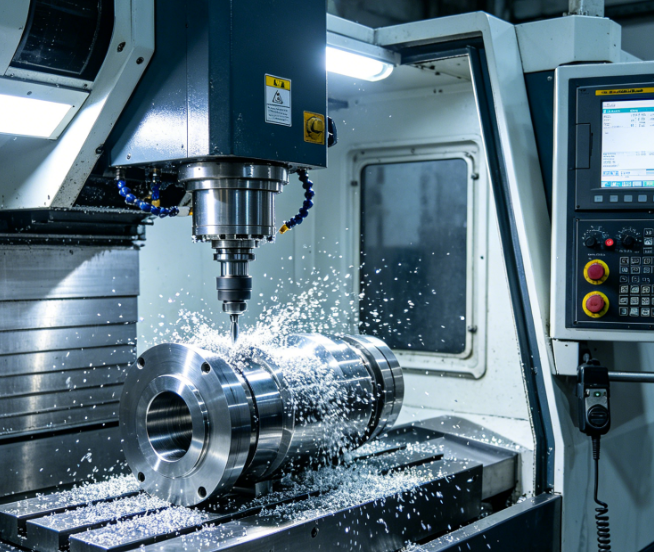
CNC Milling Services
3, 4 and 5-axis machining capabilities for simple and complex geometries.
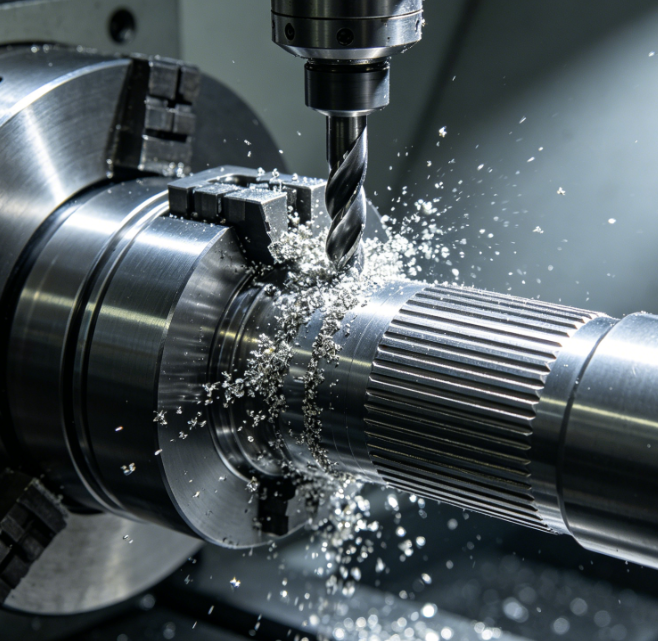
CNC Turning Services
Standard and live tooling capabilities for cylindrical parts such as pins, shafts, and spacers.
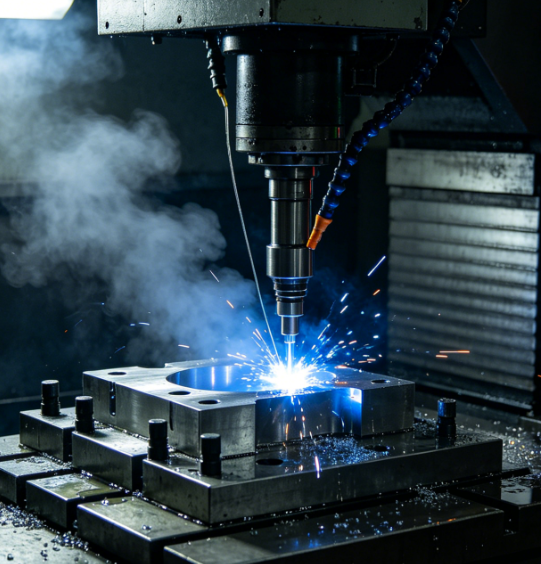
Electrical Discharge Machining (EDM)
Wire and Sinker EDM are non-contact machining methods for cutting deep pockets, complex internal features, and holes with micro precision and sharp internal corners.
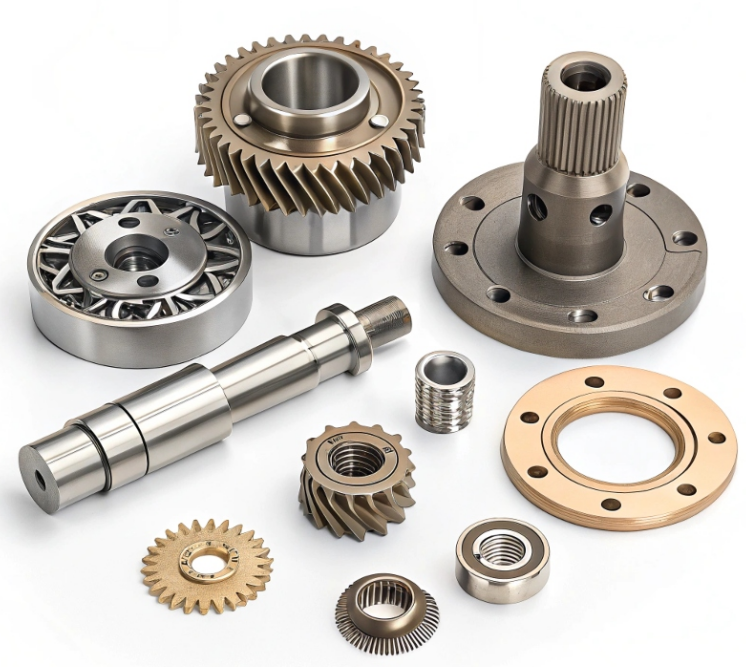
Gear Hobbing Services
A wide range of stock hobbing tools available for quick turnaround times.
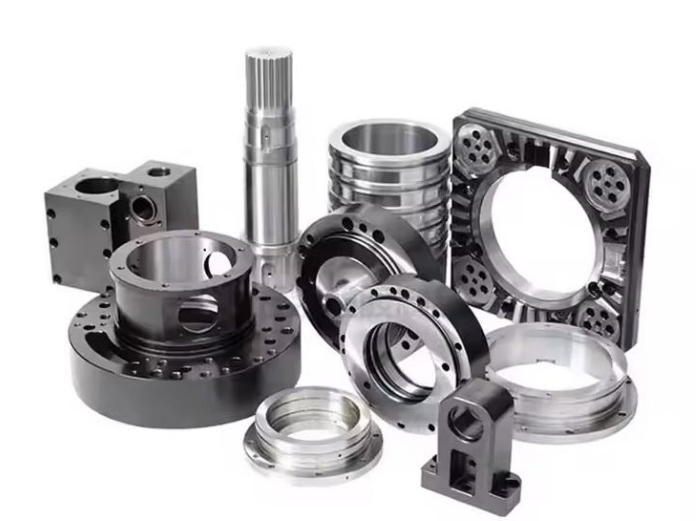
High Volume CNC Machining Services for Production Parts
Serving all your CNC needs up to production quantities, including finishing and machining—all from your 2D drawings.
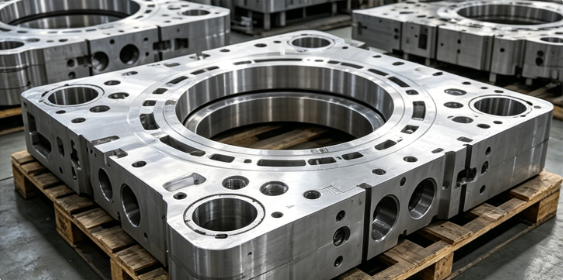
Large CNC Parts
Custom large CNC parts at scale, ensuring repeatability and reliable quality.
CNC Machining Capabilities
| Tolerance | Linear dimension: +/-0.025 mm Hole diameters (not reamed): +/- 0.025 mm Shaft diameters: +/- 0.025 mm |
| Threads and holes | Our cnc machines can adapt to any standard thread size and customized threads |
| Min. feature size | The minimum feature size we make is 0.5 mm, depending on the geometry of the product and the materials being used |
| Burrs and chamfers | Deburring by default, chamfering according to your requirements |
| Surface Finish | The standard finish is Ra 1.2 or better, you can specify surface finishing options |
Part lengths of up to 43" are available on our platform process dependent. Please inquire about anything larger. XCL offers different general tolerance options from 0.01mm to 0.05mm and you can also specify available tolerances according to ISO 2768-mK.
CNC Machining Materials
Aluminum
Aluminum is a highly ductile metal, making it easy to machine. The material has a good strength-to-weight ratio and is available in many types for a range of applications.
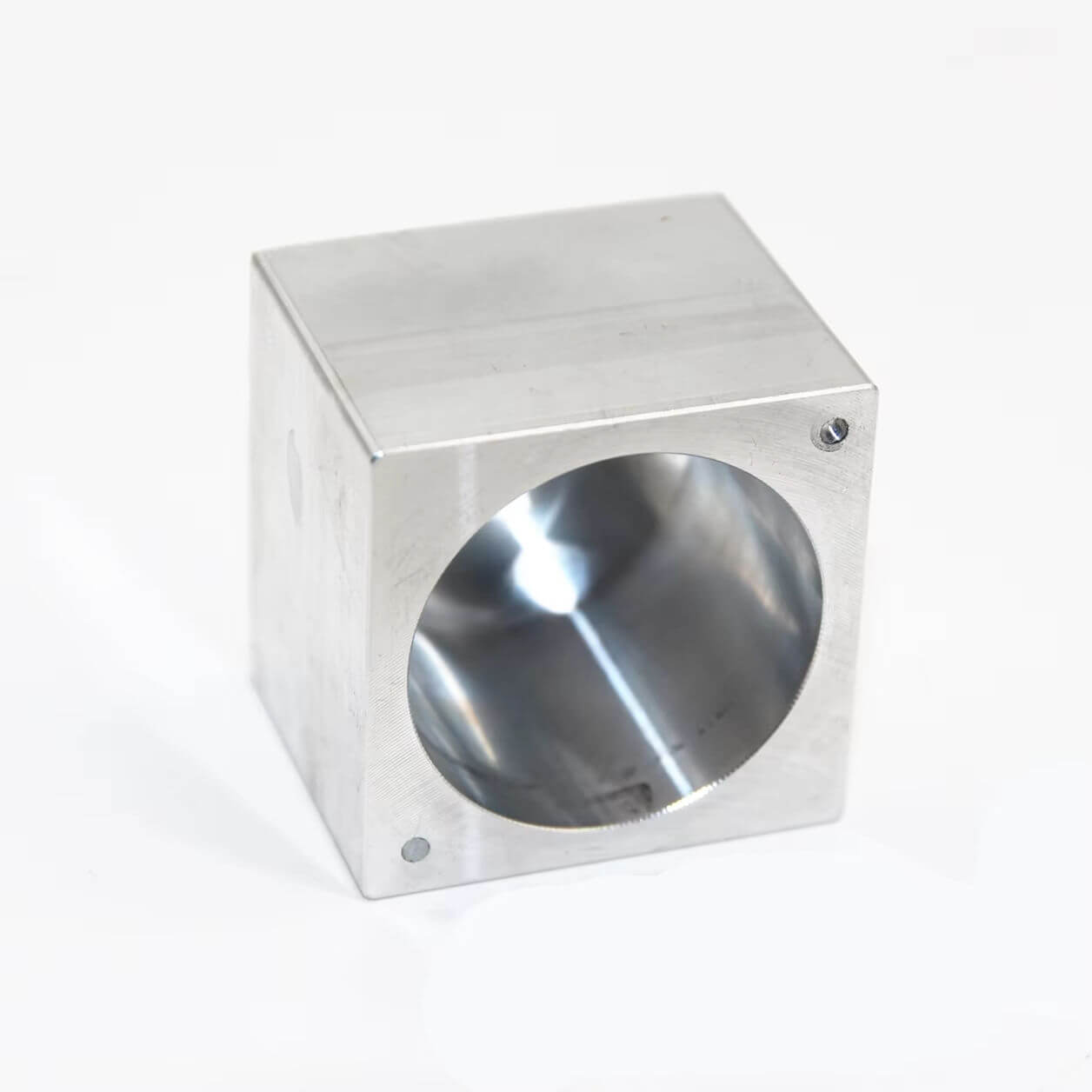
CNC Machined Surface Finishes
| Image | Finishing | Description | Application |
|---|---|---|---|
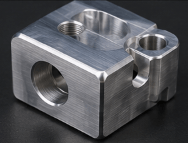 | As-Machined | Description: This is the default surface finish directly from the CNC machine without any additional processing. It exhibits visible tool marks, and the roughness is usually defined by the cutting tool and the machining parameters. Surface Roughness: Typically Ra 1.2-3.2 µm. | Prototypes, functional parts where aesthetics aren’t critical. |
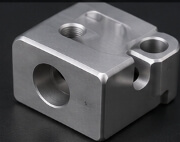 | Smooth | Description: Smoothing involves using abrasive tools or media to gently remove the top layer of material, reducing roughness and imperfections. This process can be done manually or with automated equipment depending on the complexity of the part. Surface Roughness: Typically Ra ≤ 0.4 µm, though it can vary depending on the material and the desired finish. | Used for parts that need a refined appearance or smoother contact surfaces, such as consumer goods, mechanical components, and medical devices. |
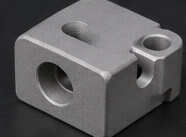 | Bead Blasting | Description: This process involves blasting the surface with fine glass beads or other media to achieve a smooth, matte, or satin finish. It helps remove tool marks and surface imperfections. Surface Roughness: Ra 2.8-3.8 µm (depending on the material and blast media used). | Used to achieve an even texture for aesthetic purposes, typically in consumer products or decorative parts. |
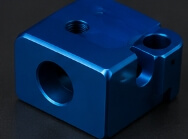 | Anodizing | Description: An electrochemical process that increases the thickness of the natural oxide layer on the surface of aluminum parts. It can be either clear (natural) or dyed in various colors. Benefits: Adds corrosion resistance, improves appearance, and can create an electrically insulating surface. Surface Roughness: Anodizing typically doesn’t significantly change surface roughness. | Commonly used in aerospace, electronics, and automotive industries for aluminum parts. |
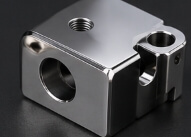 | Polishing | Description: A finishing process that makes the surface smooth and glossy by mechanically removing surface material. Polishing can be done to different degrees, from basic smoothing to achieving a mirror-like finish. Surface Roughness: Can achieve extremely low surface roughness, Ra ≤ 0.1 µm. | Used for aesthetic parts, reflective surfaces, or parts requiring low friction. |
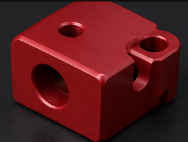 | Powder Coating | Description: A dry finishing process where powdered paint is electrostatically applied to the surface and then cured under heat to form a durable, uniform coating. It creates a protective layer resistant to wear, corrosion, and environmental factors. Surface Roughness: Typically smooth but varies depending on the powder type. | Used in automotive, industrial equipment, consumer products, and outdoor applications. |
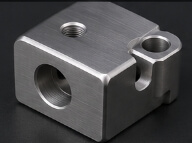 | Brushing | Description: This finish is created by brushing the surface with abrasive belts or brushes to give it a uniform, directional texture. It provides a satin or matte look while reducing surface imperfections. Surface Roughness: Ra 0.4-2.5 µm, depending on the type of brush and material. | Common in decorative and aesthetic applications, especially for stainless steel or aluminum products. |
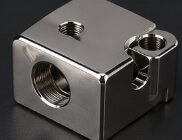 | Electroplating | Description: Uses electric current to reduce dissolved metal cations so that they form a coherent metal coating on an electrode. Common plating metals include chrome, nickel, zinc, gold, silver, etc. Surface Roughness: Can create very smooth surfaces, depending on plating process and base material. | Improves corrosion resistance, wear resistance, solderability, conductivity, and appearance. |
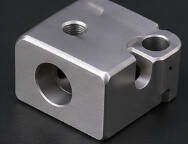 | Passivation | Description: A chemical treatment applied to stainless steel and other metals to remove free iron from the surface, enhancing corrosion resistance by forming a passive oxide layer. Surface Roughness: Passivation doesn’t change the surface roughness. | Commonly used in medical, food, and aerospace industries where corrosion resistance is critical. |
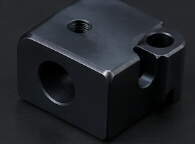 | Heat Treating | Description: A process that involves heating and cooling metal parts to change their hardness, strength, or toughness. While not primarily a surface finish, it affects the surface properties by hardening the outer layer. | Used for parts that need wear resistance or improved mechanical properties, like gears and cutting tools. |
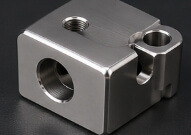 | Electropolishing | Description: An electrochemical process that removes material from the part’s surface, smoothing and brightening it to achieve a high-gloss, reflective finish. It also improves corrosion resistance and reduces surface roughness. Surface Roughness: Can reduce surface roughness significantly, up to Ra 0.1 µm. | Used in medical, pharmaceutical, and food processing equipment for cleanability and corrosion resistance. |
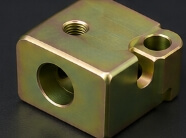 | Chromating | Description: A chemical process that converts the surface of metals, particularly aluminum, into a protective layer. Chromate conversion coatings provide corrosion resistance and serve as a primer for paint or powder coating. Surface Roughness: Typically does not alter surface roughness significantly. | Used in aerospace and electronics industries where corrosion resistance and conductivity are important. |
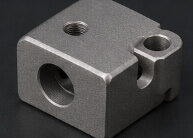 | Sandblasting | Description: Similar to bead blasting, sandblasting uses abrasive materials (such as silica, sand, or aluminum oxide) to clean or texture the surface. It creates a rougher surface than bead blasting. Surface Roughness: Ra 2.5-10 µm, depending on the abrasive used. | Prepares surfaces for coating, removes old paint, or creates a rough texture for improved adhesion of coatings. |
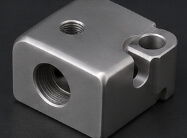 | Tumbling | Description: A finishing process that uses abrasive media and vibrations to polish, deburr, or smooth the surface of parts. It’s ideal for small components or complex shapes that need uniform finishing. Surface Roughness: Varies, but generally produces a smoother finish than raw machined surfaces. | Used for mass finishing in industries like automotive and aerospace for deburring and surface smoothing. |
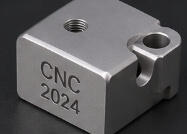 | Laser Engraving | Description: A process that uses a laser beam to etch or mark the surface of the part with precise, permanent markings. It doesn’t alter the overall finish of the part but adds logos, text, or serial numbers. | Common for branding, labeling, and creating unique part identifiers. |
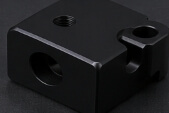 | Black Oxide | Description: A chemical coating applied to steel to create a black matte finish, which provides moderate corrosion resistance and reduces light reflection. Surface Roughness: Does not significantly change surface roughness. | Used for aesthetic purposes, to reduce glare, and to provide corrosion protection on machine components and tools. |
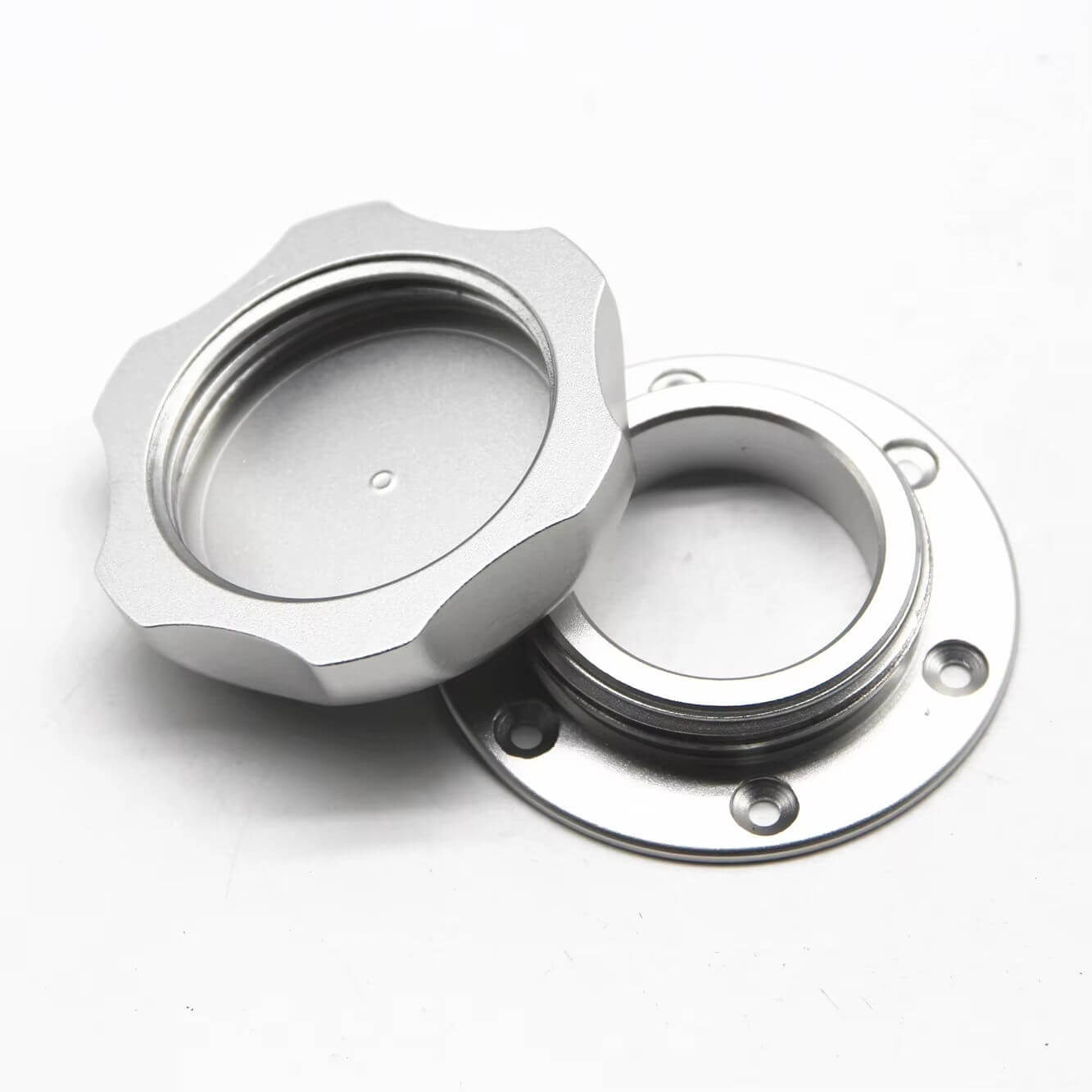
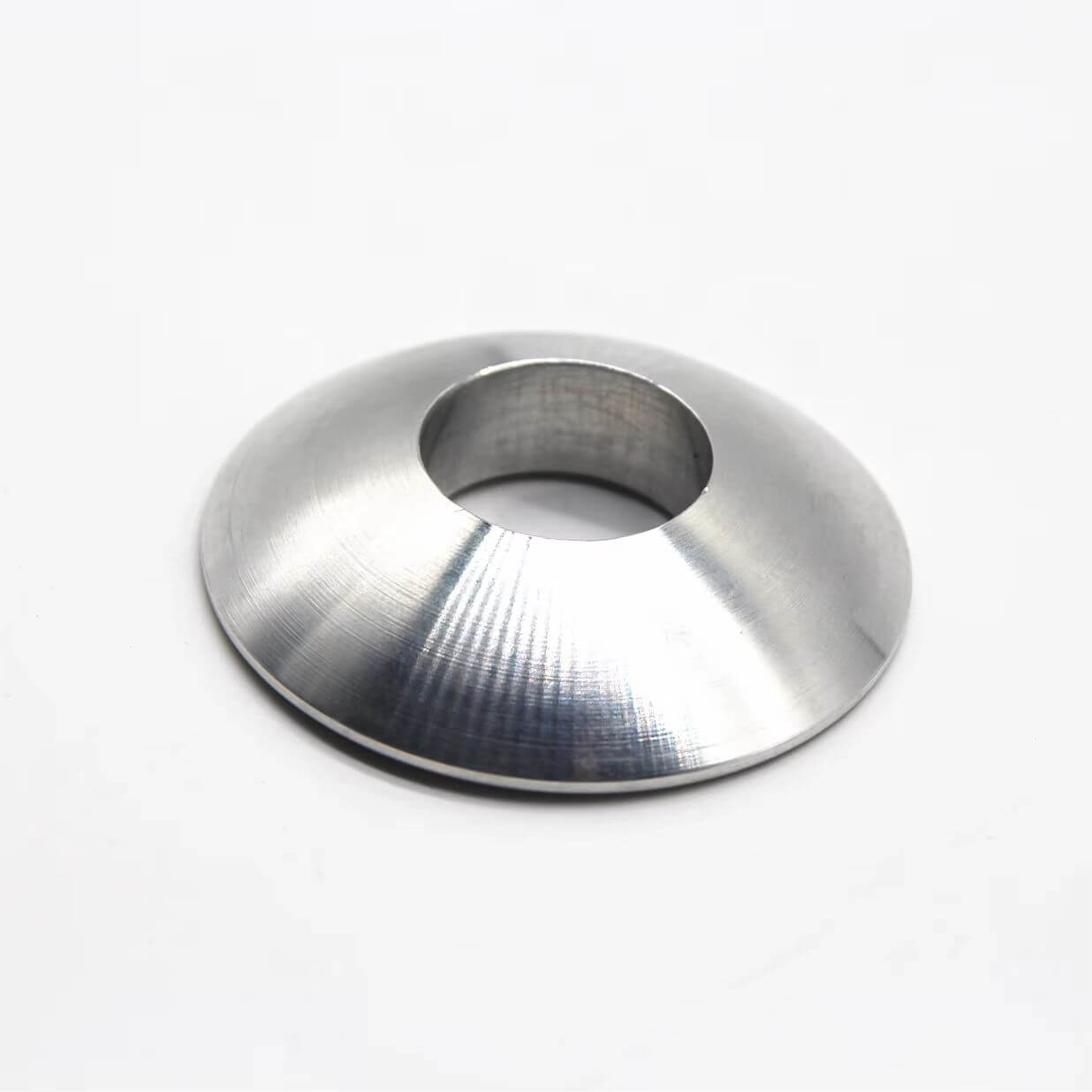
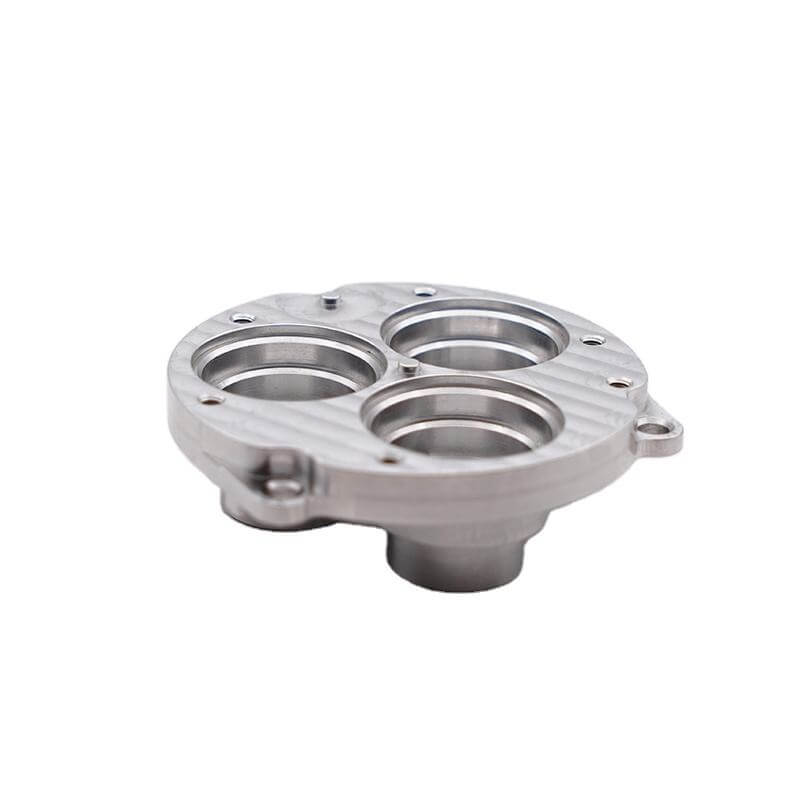
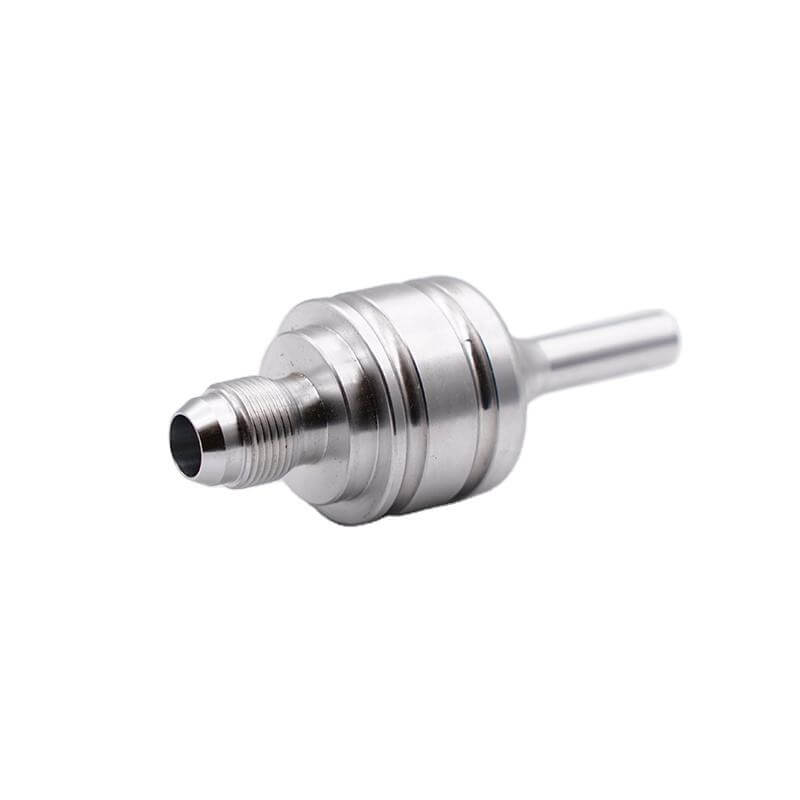
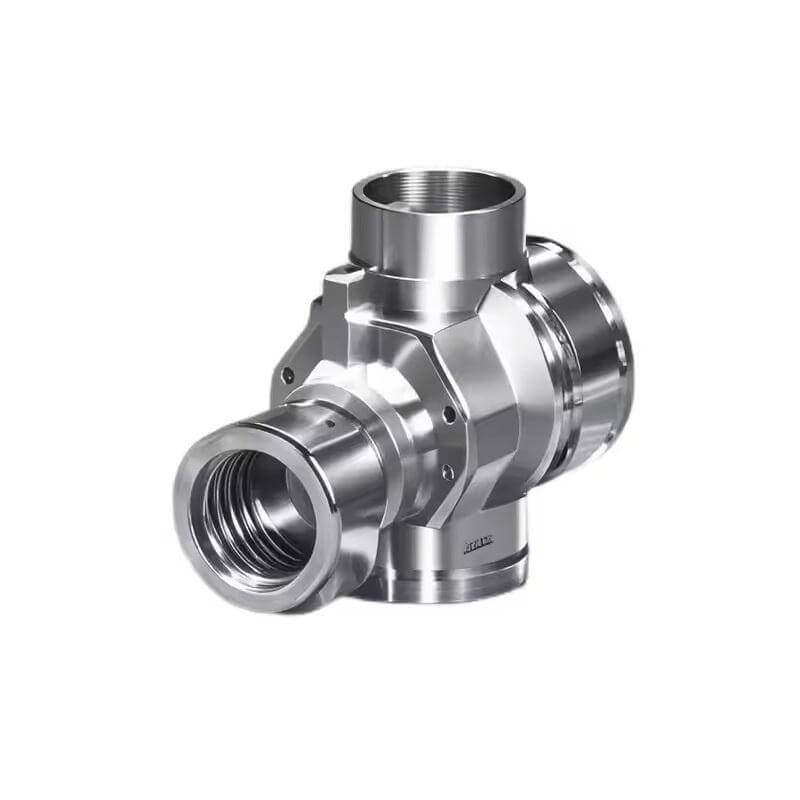
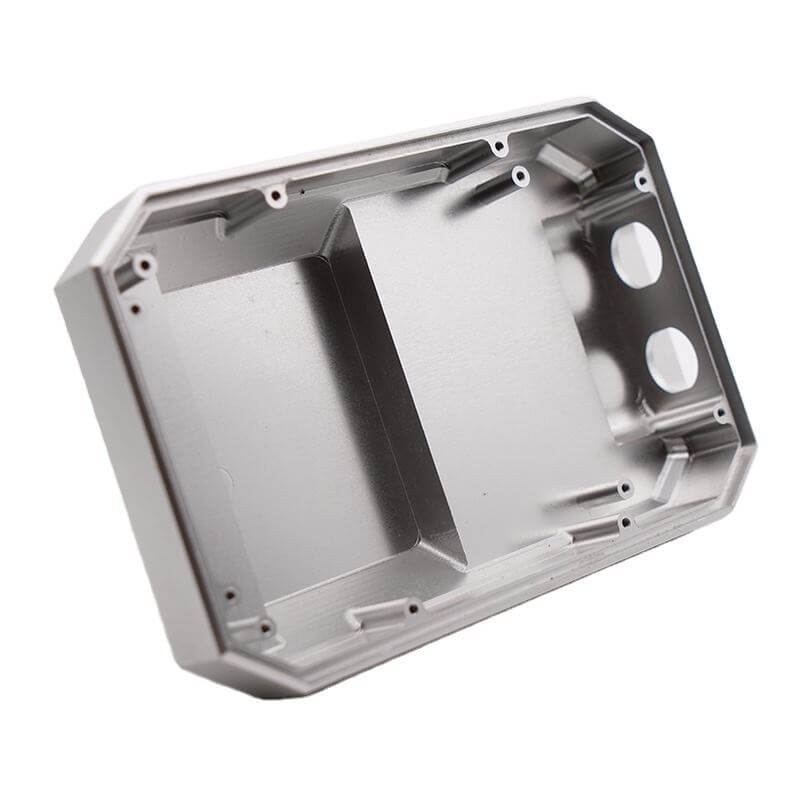
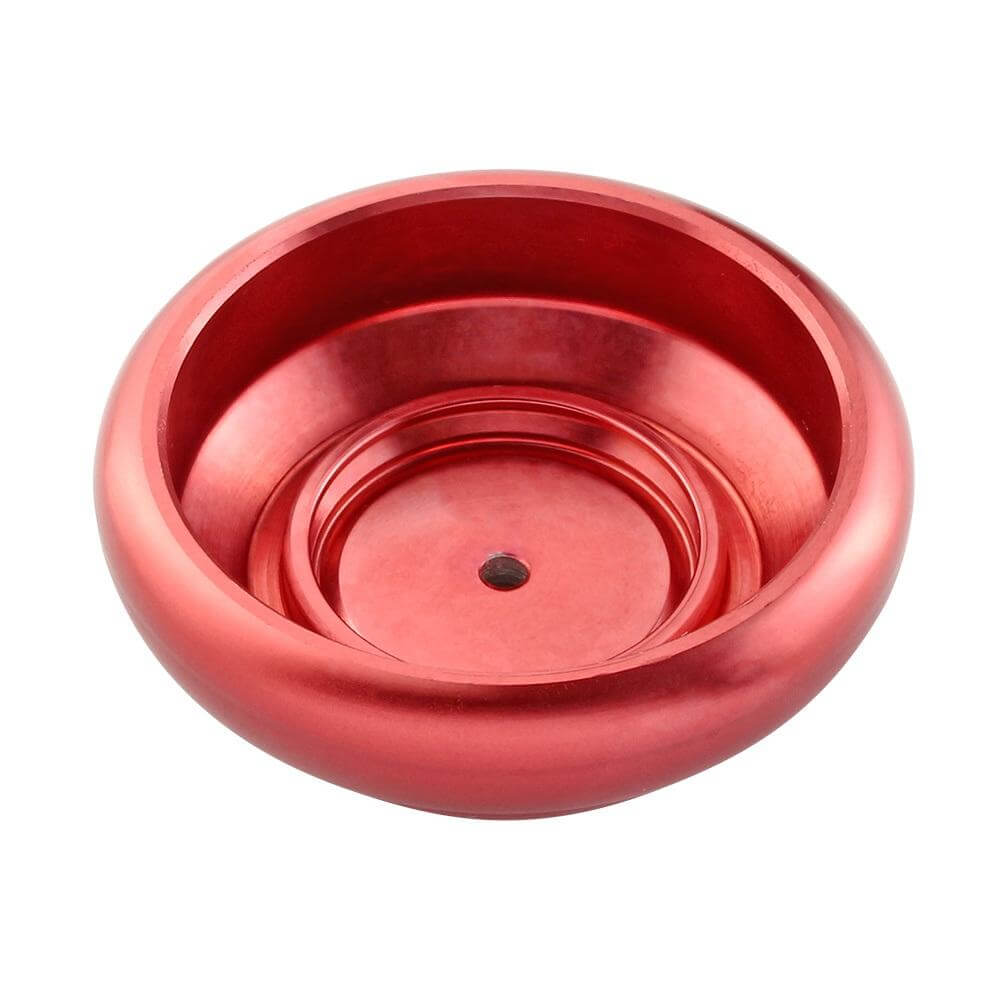
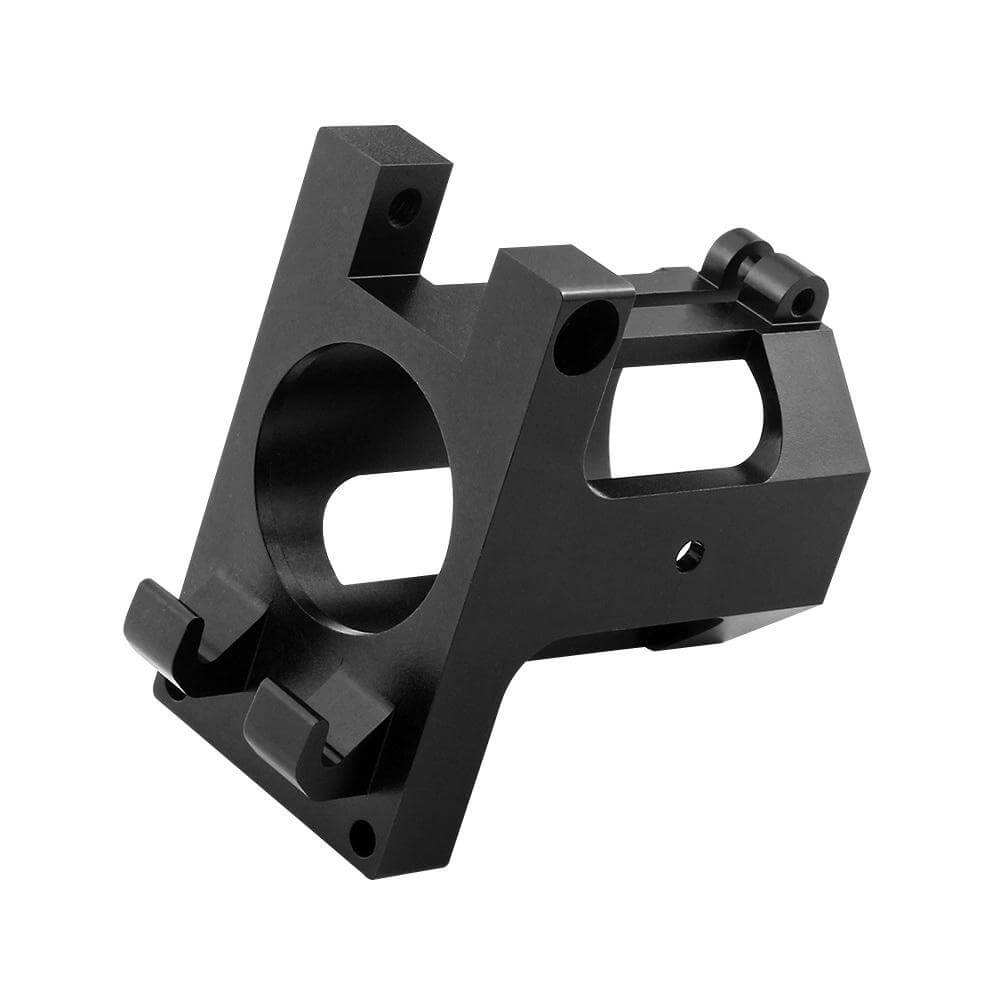
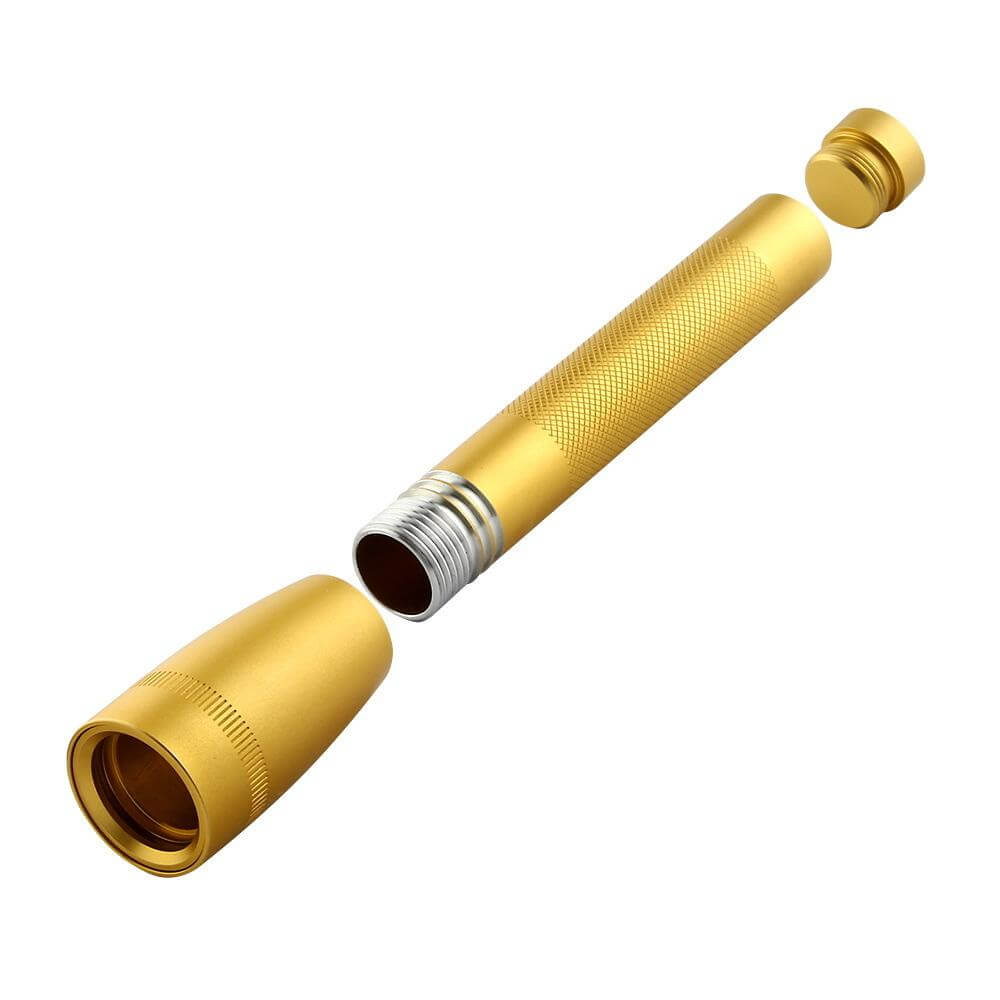
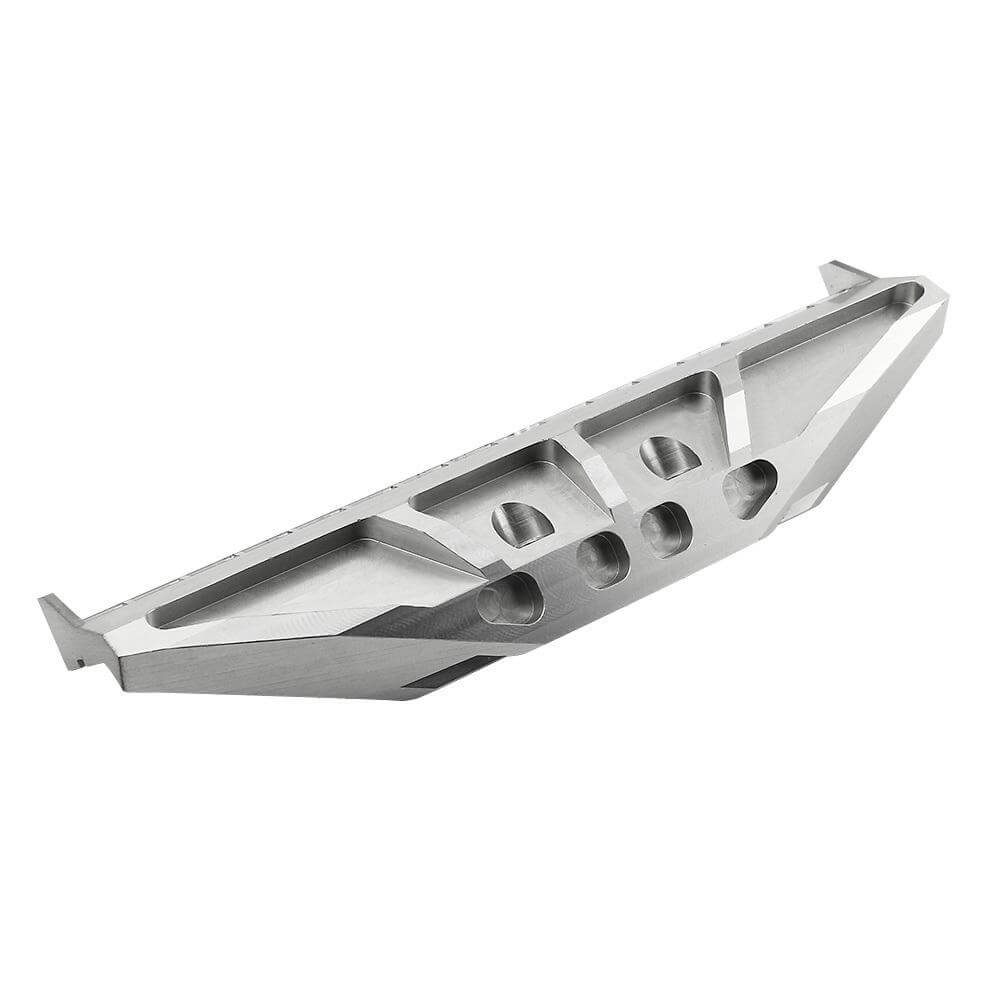
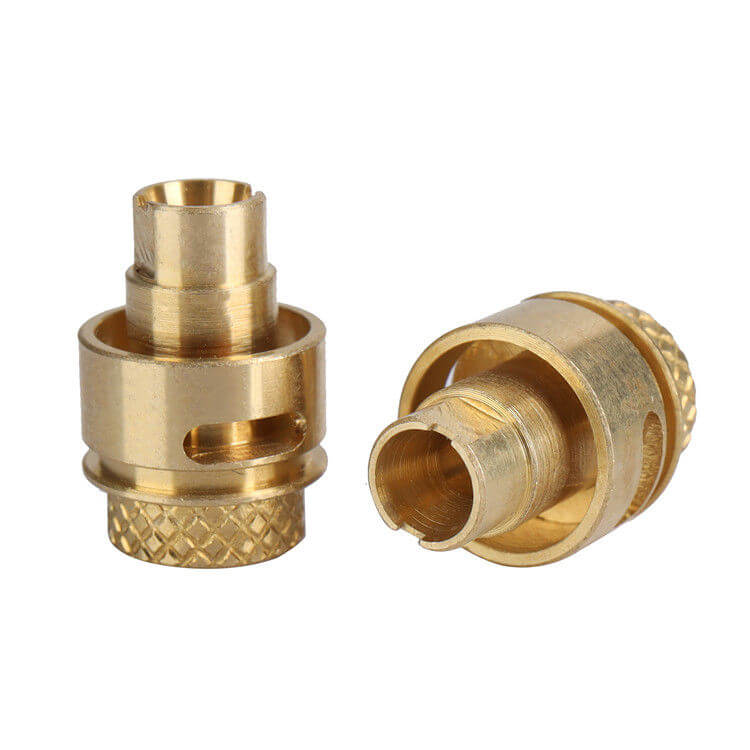
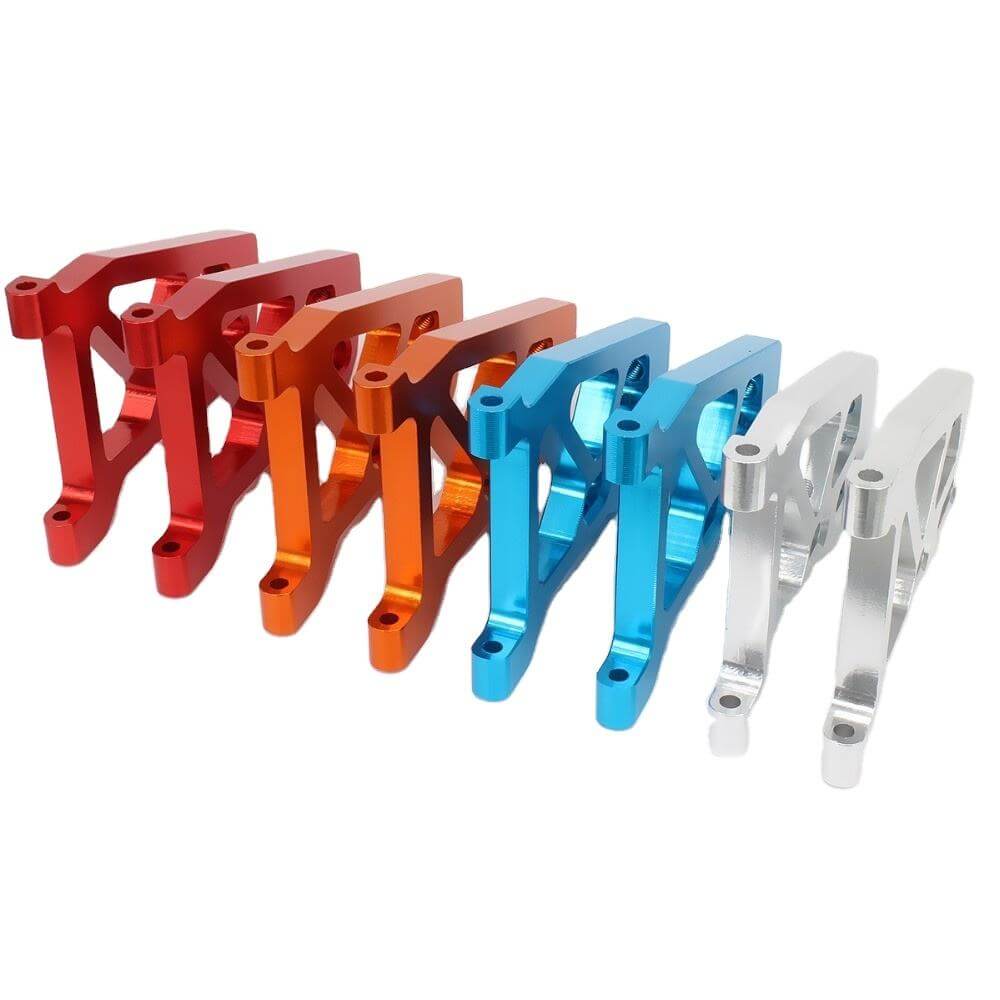
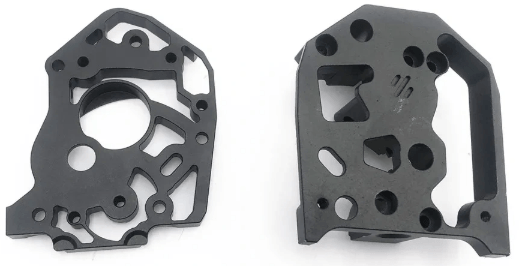
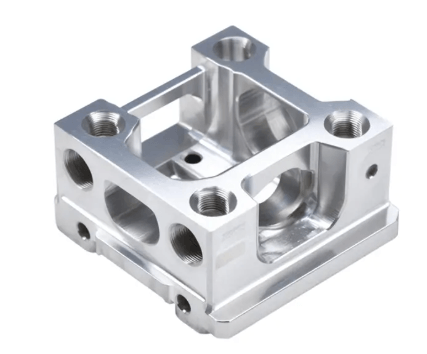
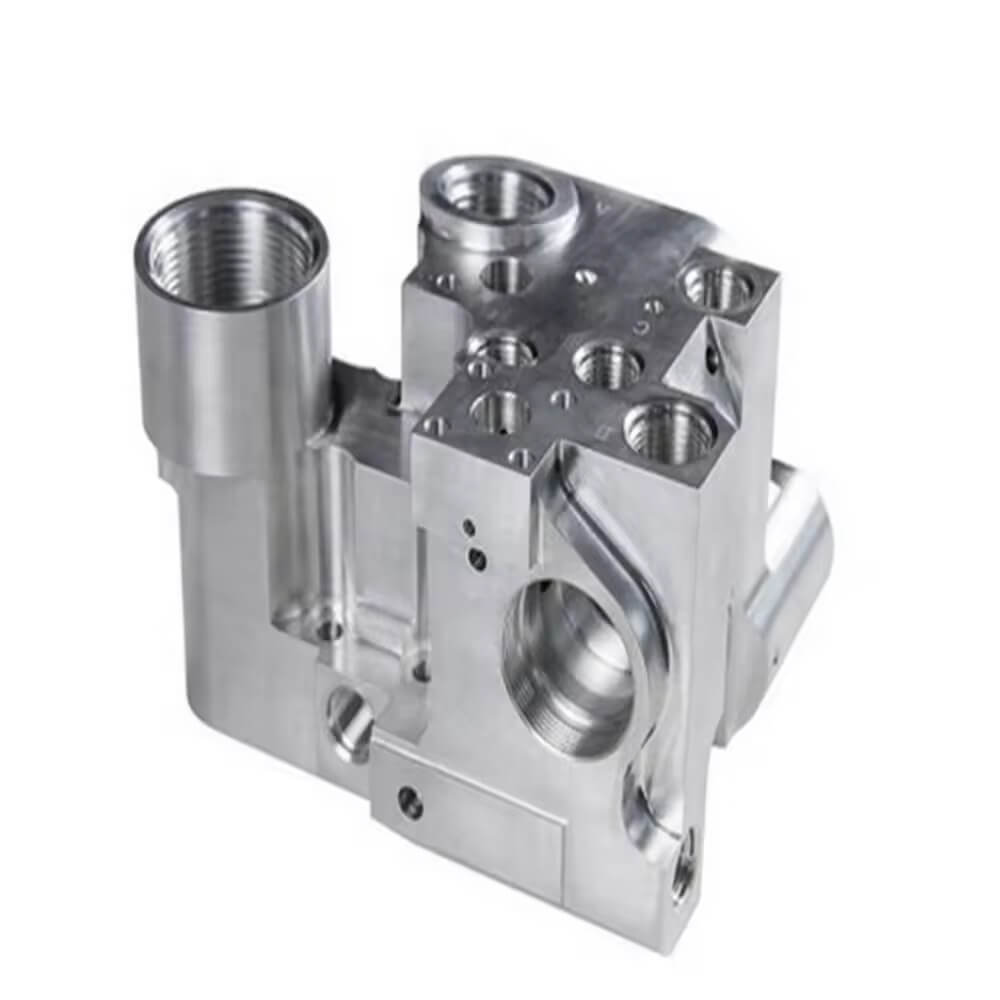
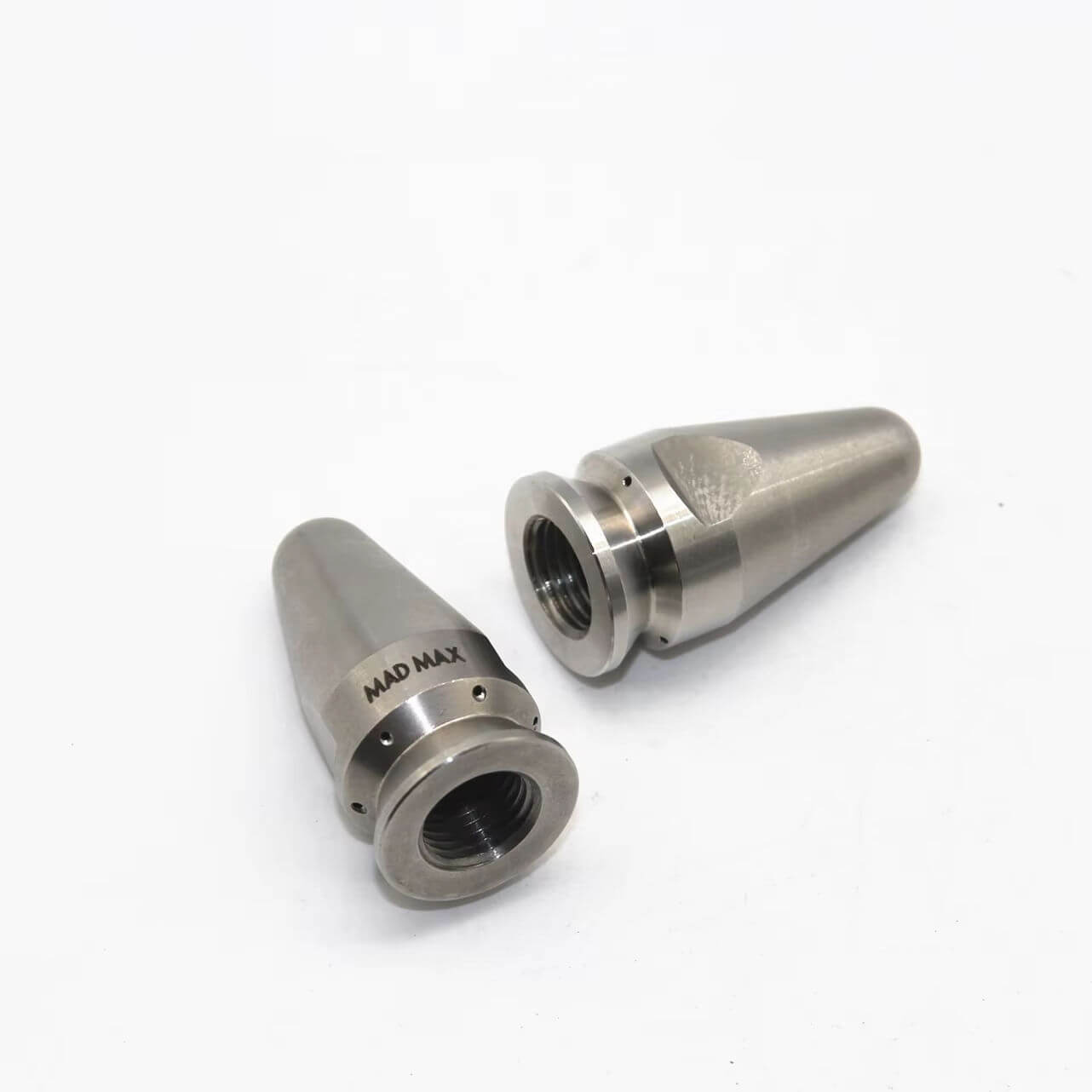
Custom CNC Machining Parts
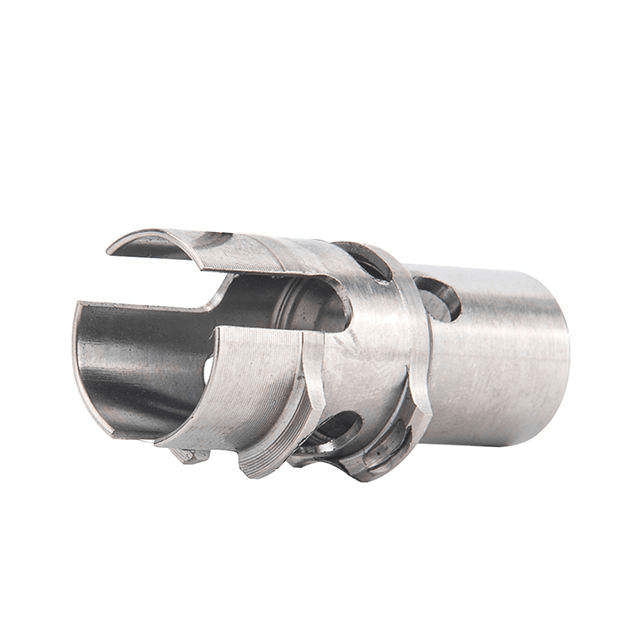
Why XCL for CNC Machining
Sourcing simplified for custom CNC Machining
Made As Fast As 1 Day
- Pre- & Post-Order DFM
- Large CNC parts up to 43"
- No Minimum Order Quantity
- Tight Tolerances (+/- 0.0001")
- Wide Range of Metals and Plastics
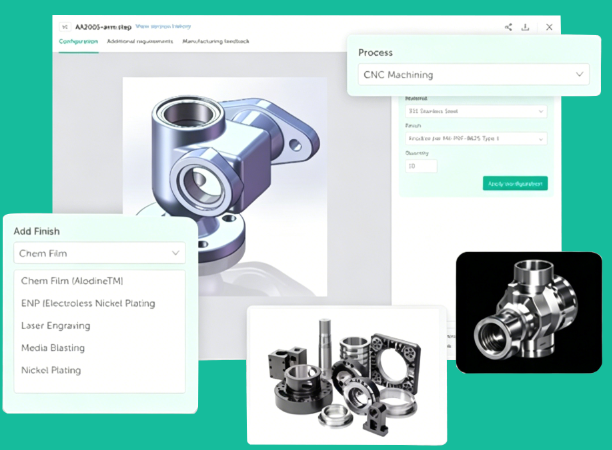
- Finishing Options (Anodize, Plate, Chem Film)
- High-Quality, Complex Geometries
- Undercuts, Threads & Holes
Industries we serve
For over 10 years, XCL has been making high-quality CNC machined
parts on demand for industries worldwide.
Aerospace
XCL offers high-temperature alloys CNC and titanium alloys CNC service with thin-walled structures, complex curved surfaces, and extremely high reliability requirements.
Automotive
XCL can ensure high-precision CNC machining of lightweight automotive components like sensor housings, connectors and terminals, electrical control system etc.
Consumer products
High-quality, aesthetically pleasing machined parts for everyday consumer devices, ensuring durability, precision, and premium surface finishes.
Medical
We have extensive experience in manufacturing artificial joints, bone screws, and precision medical parts.
Robotics
Custom robot parts with tight tolerances for smooth movement and high efficiency. We specialize in machining high-rigidity and high-precision robot components.
Electronics
We produce miniature, high-accuracy parts for electronics, such as connectors and heat sinks, ensuring device reliability.
Semiconductor
Ultra-precision machining for semiconductor manufacturing equipment, meeting strict cleanroom standards and extremely tight tolerance requirements.
New Energy
Advanced manufacturing solutions for renewable energy systems, including high-efficiency solar, wind, and battery storage components.
How We Work
Instant Quote
Send us 2D & 3D design files, then get free DFM feedback and quotes in a few hours.
Production
Once the quote and order are confirmed, production starts in a few hours.
Delivery & Receive
After passing quality inspections, the parts are carefully packed and ready for shipment.
Frequently Asked Questions
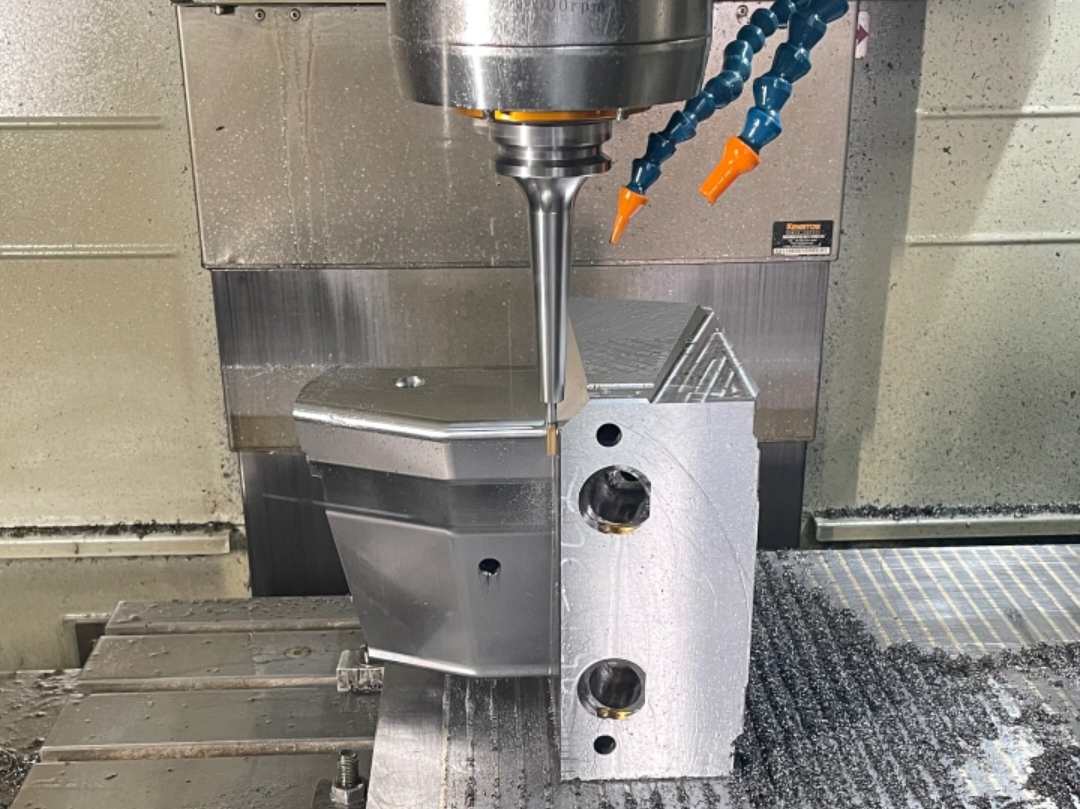
We make your custom products better and faster
XCL could help you with all the important and complex work of custom product prototyping and manufacturing, from initial designs to low-volume production, post-processing, logistics, and more. XCL is dedicated to speeding up prototyping processes and reducing costs.