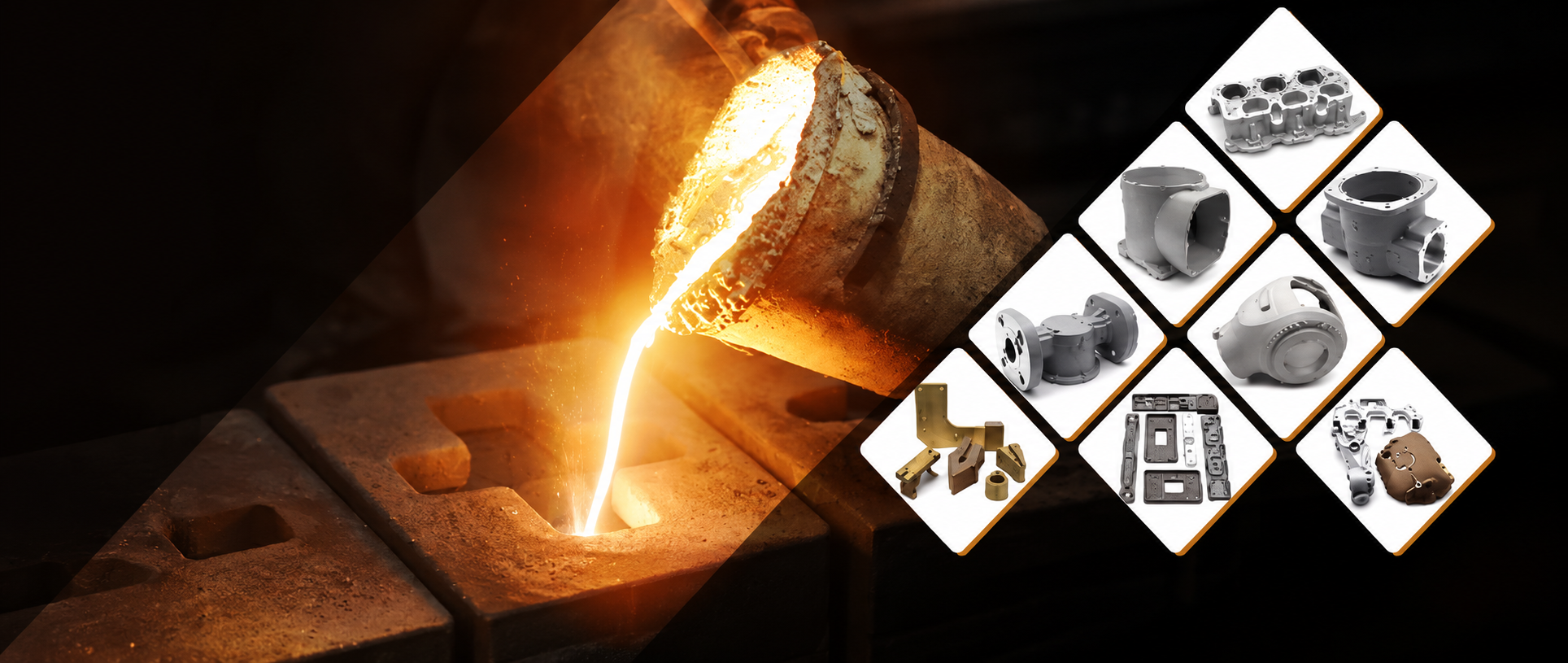
Custom Die Casting Services
Custom die casting manufacturing for aluminum, zinc and magnesium alloy components.
- Quick prototype die casting in short time
- Precision die cast parts for industrial & consumer applications
- Complete tooling design and process optimization
- Low MOQ available for small batch and mass production
All uploads files are safe and confidential
Die Casting Processes
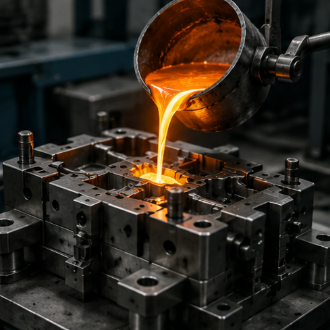
Cold Chamber Die Casting
Cold chamber die casting melts metal in a separate furnace before casting. The molten metal is poured into a cold chamber, where a piston pushes it into the die under high pressure. The process handles high melting point metals like aluminum. The separation prevents contamination and extends die life. This type of die casting produces car engine parts, aircraft components, and electronic housings where strength and precision matter.
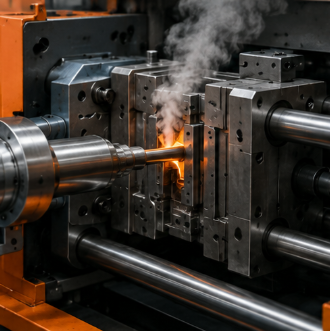
Hot Chamber Die Casting
Hot chamber, or gooseneck casting, connects the melting furnace directly to the casting machine. A piston pulls molten metal from the furnace and injects it straight into the die. This creates faster cycle times and reduces waste since the metal stays hot throughout the process. The process suits low melting point metals like zinc, magnesium alloys. The direct connection allows efficient high-volume production of toys, hardware, decorative items, and small mechanical parts.
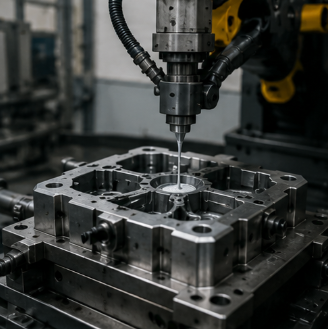
Semi-solid Die Casting
Semi-solid die casting uses metal in a paste-like state between liquid and solid. The metal is heated to this semi-solid condition, then slowly pushed into the mold with less turbulence than liquid metal. This process reduces porosity and creates stronger parts with better surface finish. Semi-solid casting applies to aluminum and magnesium alloys effectively. The controlled flow produces automotive parts, aerospace components, and applications that need high strength and quality.
Die Casting Capabilities
| Details | |
|---|---|
| Tolerance | High-precision die casted parts need secondary machining to meet tolerance requirements, achieving accuracy up to ±0.01mm |
| Minimum Wall Thickness | Aluminum alloy recommended 1.5mm, zinc alloy can go down to 0.8mm |
| Wall Thickness Ratio | Keep within 1:3 ratio to avoid uneven filling |
| Hole Diameter | Due to high temperatures during aluminum die casting mold processing, round holes smaller than 3mm diameter require secondary drilling. Product threaded holes and external threads are formed through secondary machining. |
| Draft Angle | Minimum 0.5° to avoid demolding difficulties |
| Maximum Die Life (Number of Cycles) | Zinc: 1,000,000 Magnesium, Aluminum: 100,000 |
Die Casting Materials
Aluminum
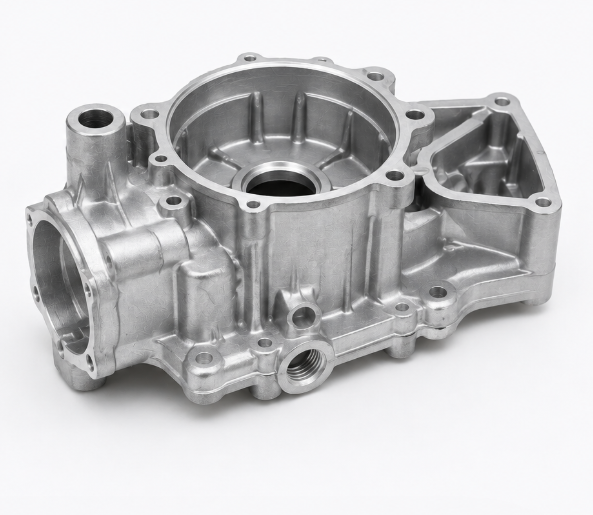
As a leading aluminum die casting company, we use ADC12, A380, and more for high-performance aluminum casting parts.
Die Casting Surface Finishes
| Image | Finishing | Description | Application |
|---|---|---|---|
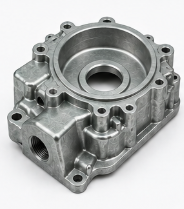 | As Cast | Description: Provides a basic, functional finish for die casting products with relatively smooth surfaces and minor tool marks, suitable for non-cosmetic applications. Surface Roughness: Typically Ra 3.2-12.5 µm, depending on casting process and mold condition. | Industrial housings, internal structural components, mechanical brackets, and functional die cast parts where appearance is not critical. |
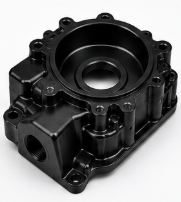 | Anodizing | Description: Improves corrosion and wear resistance of aluminum cast parts, while allowing for color options that enhance both durability and appearance. Surface Roughness: Typically Ra 0.8-3.2 µm depending on the original cast surface and anodizing type. | Consumer electronics, appliance housings, outdoor equipment, decorative aluminum die cast parts. |
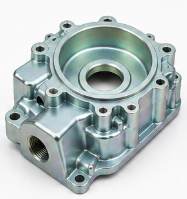 | Chromate Passivation | Description: Commonly used for aluminum and zinc die casted parts, chromate passivation improves corrosion resistance and prepares the surface for painting or other coatings. Surface Roughness: Minimal change to original surface roughness; typically maintains Ra 1.6-6.3 µm. | Automotive components, electronic enclosures, parts needing corrosion resistance before painting. |
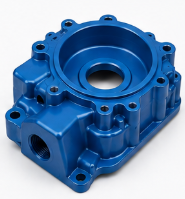 | Painting | Description: Adds color and improves appearance while offering additional protection against corrosion and wear. Often used for branding or to meet specific design requirements. Surface Roughness: Depends on paint type and application method; typically smooth or lightly textured finish. | Consumer products, automotive trim, appliance components, custom color and branding parts. |
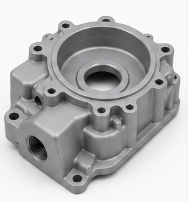 | Sand Blasting | Description: Abrasive blasting that removes surface impurities and gives a uniform, matte texture. It also improves paint or coating adhesion. Surface Roughness: Typically Ra 1.6-6.3 µm depending on abrasive media and blasting pressure. | Surface pre-treatment for coating, decorative matte finish, parts requiring improved paint or coating adhesion. |
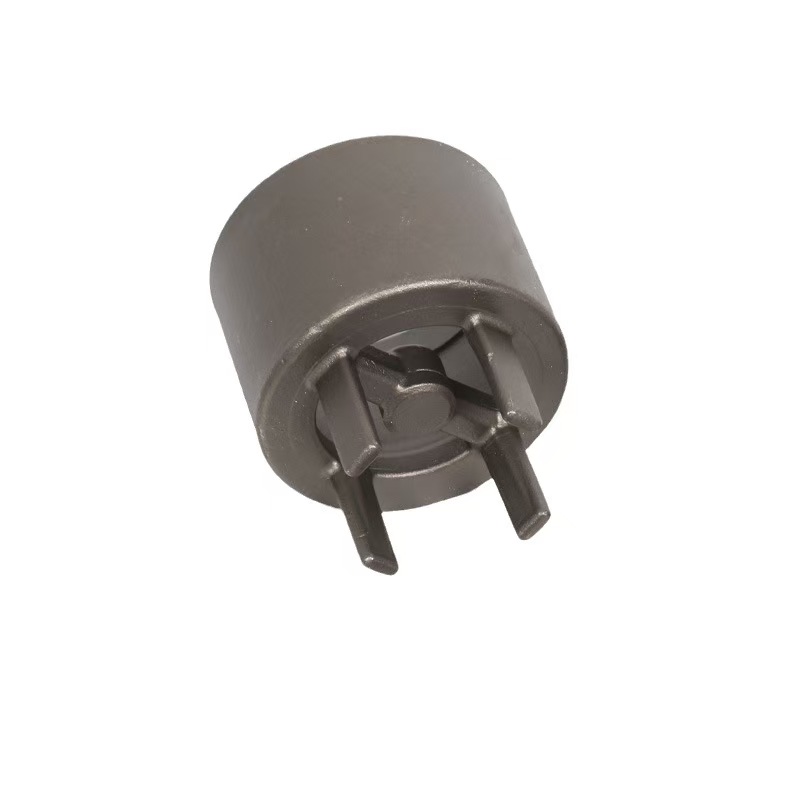
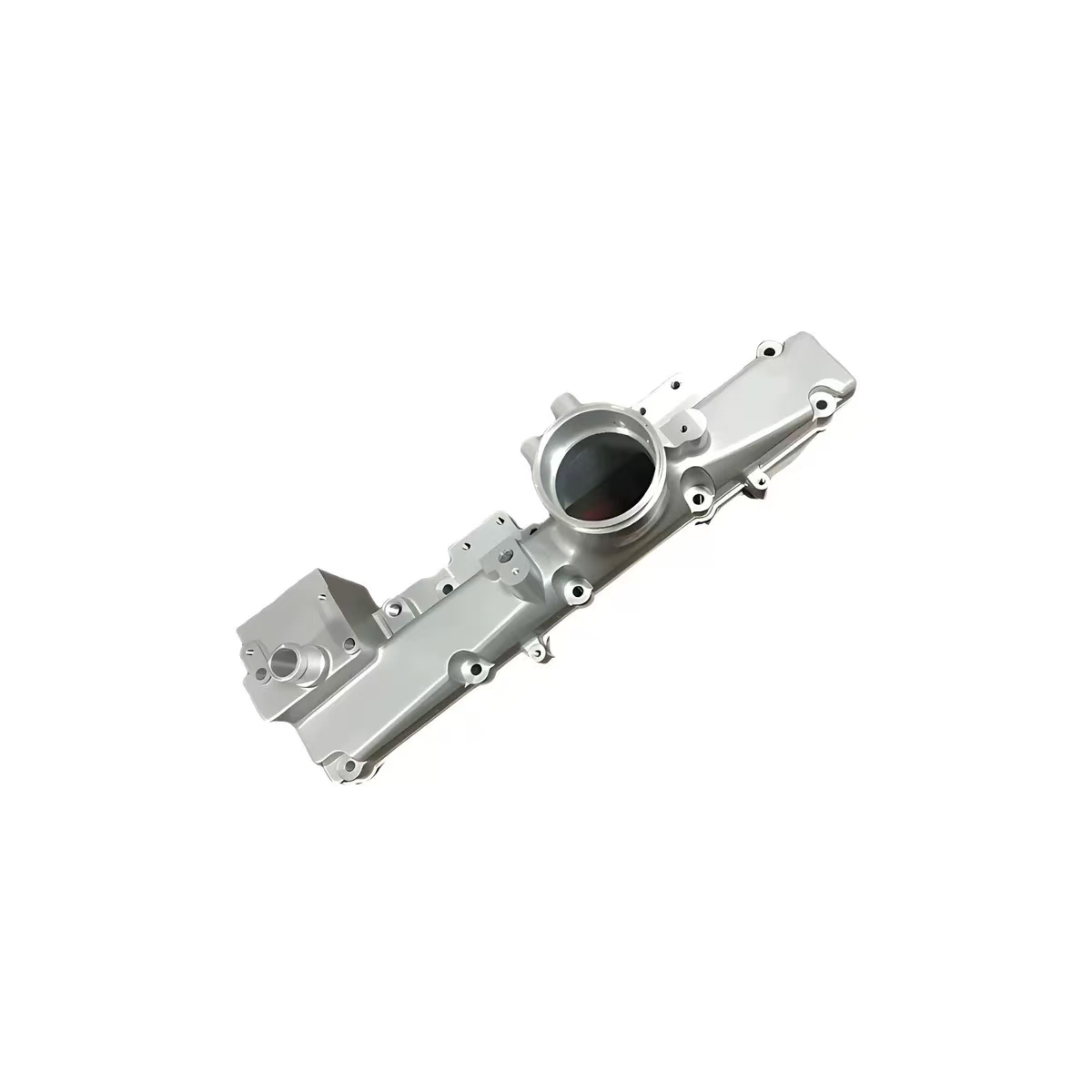
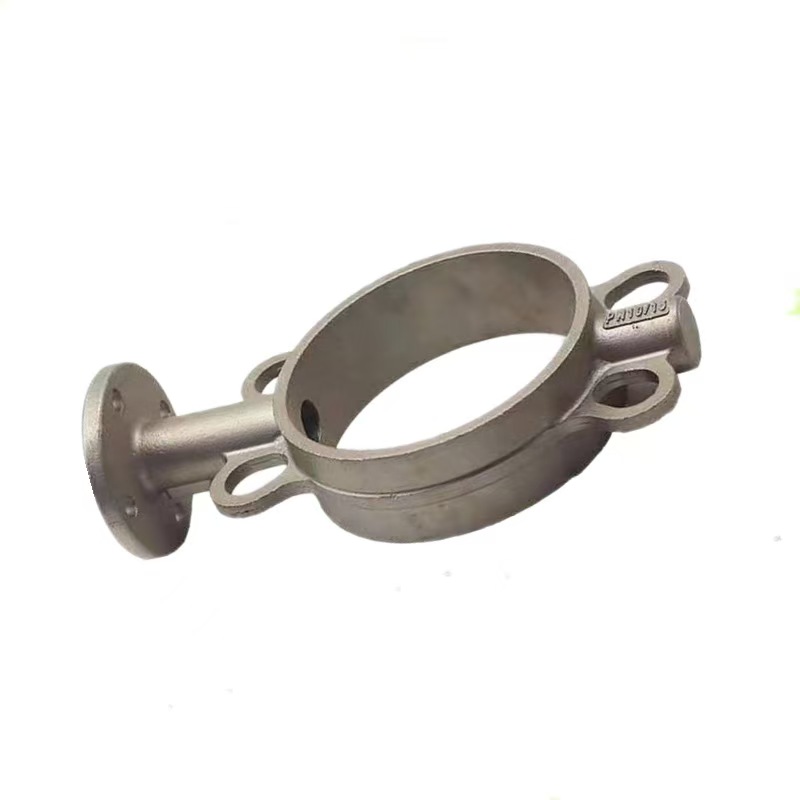
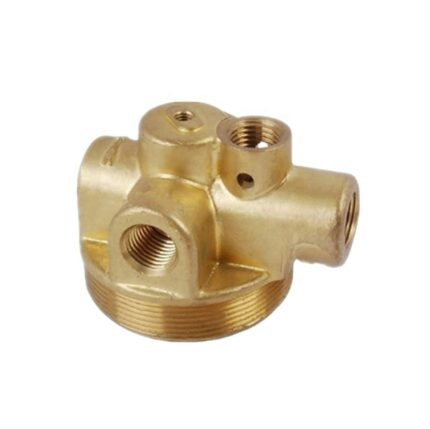
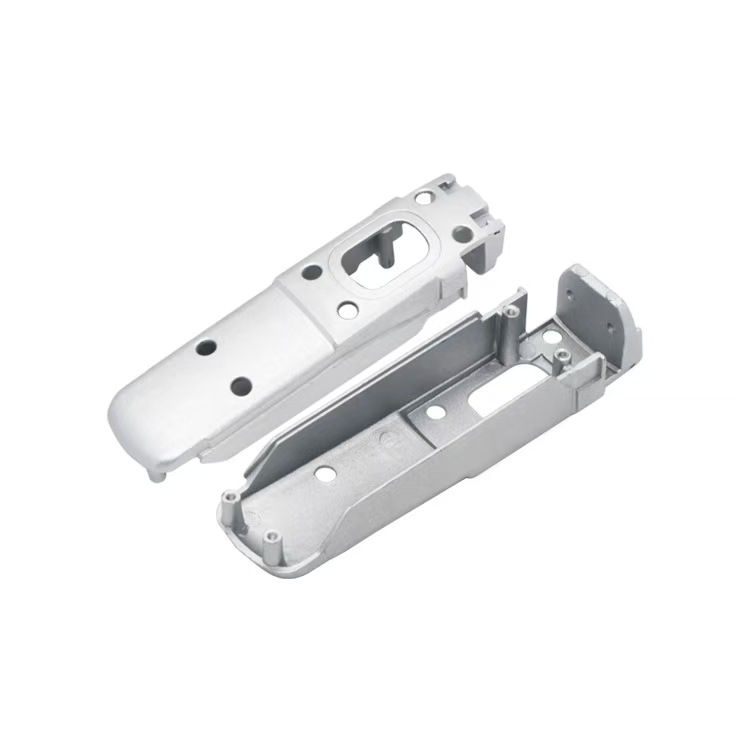
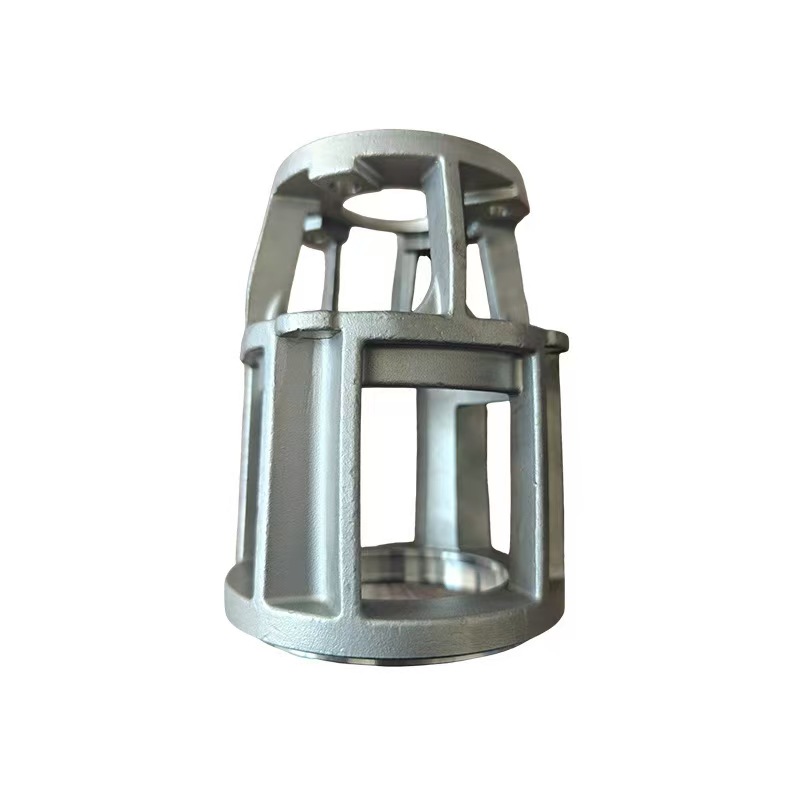
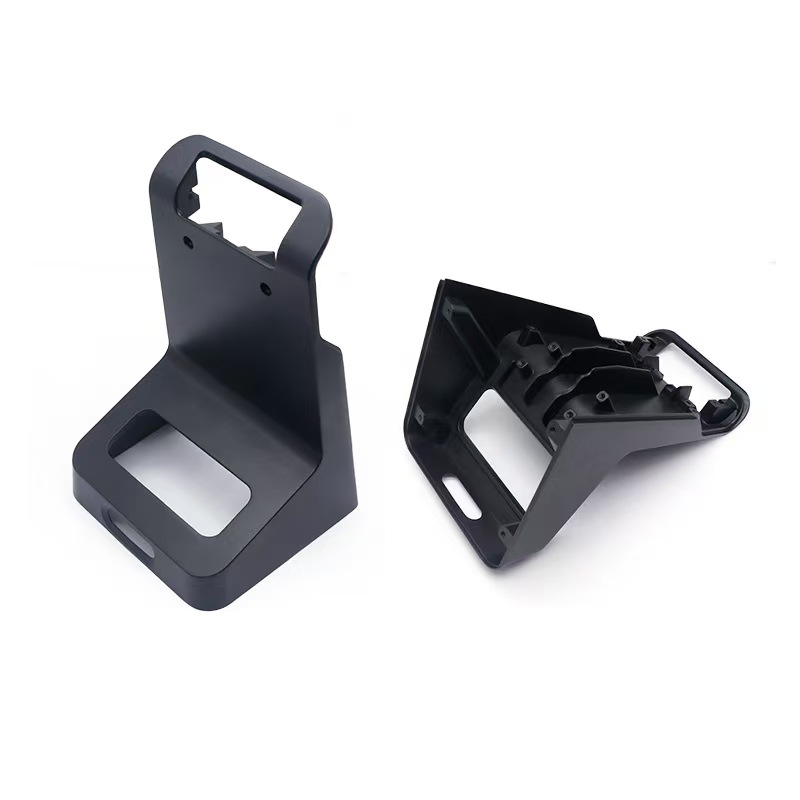
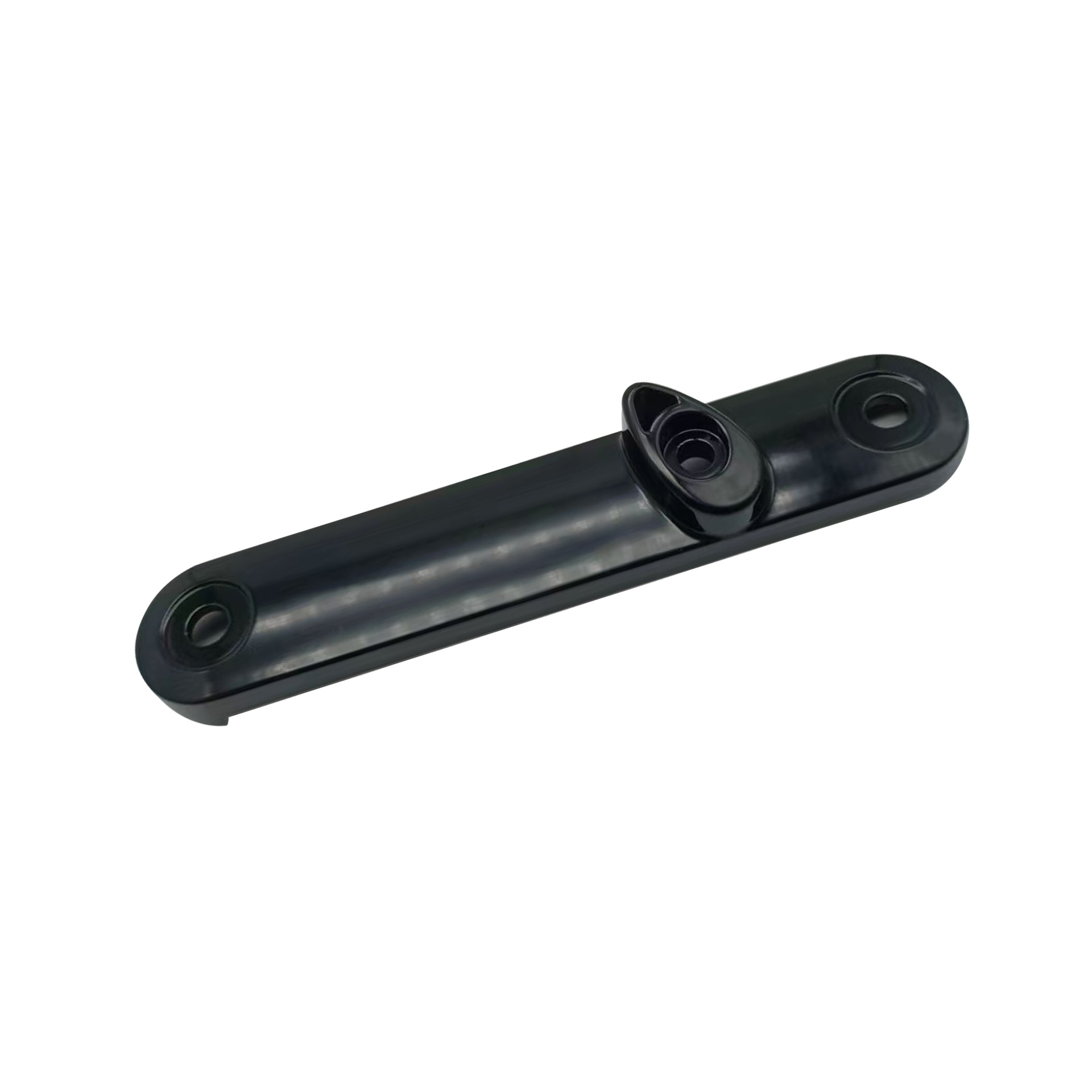
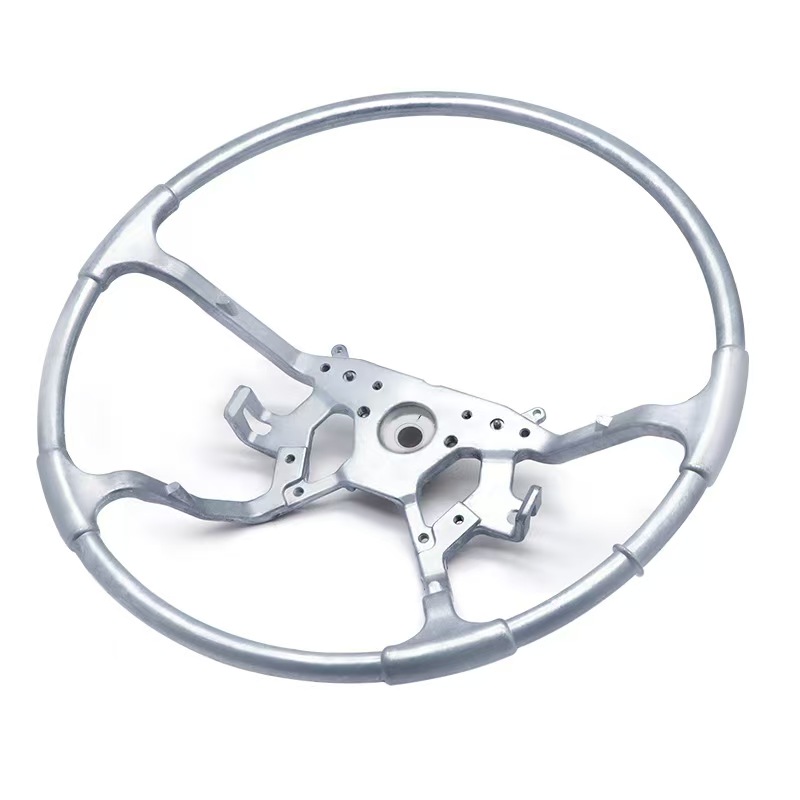
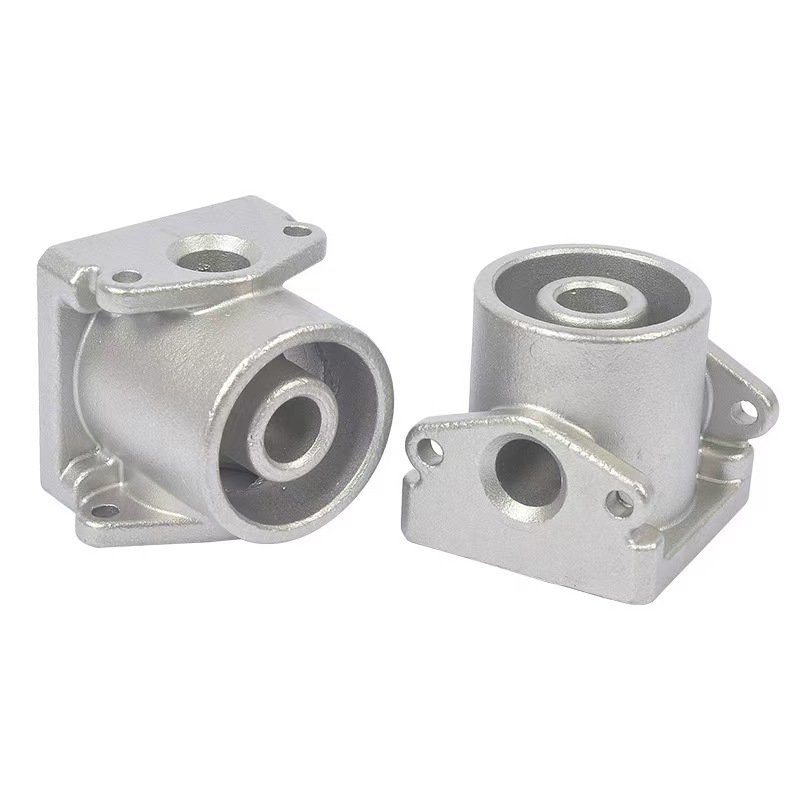
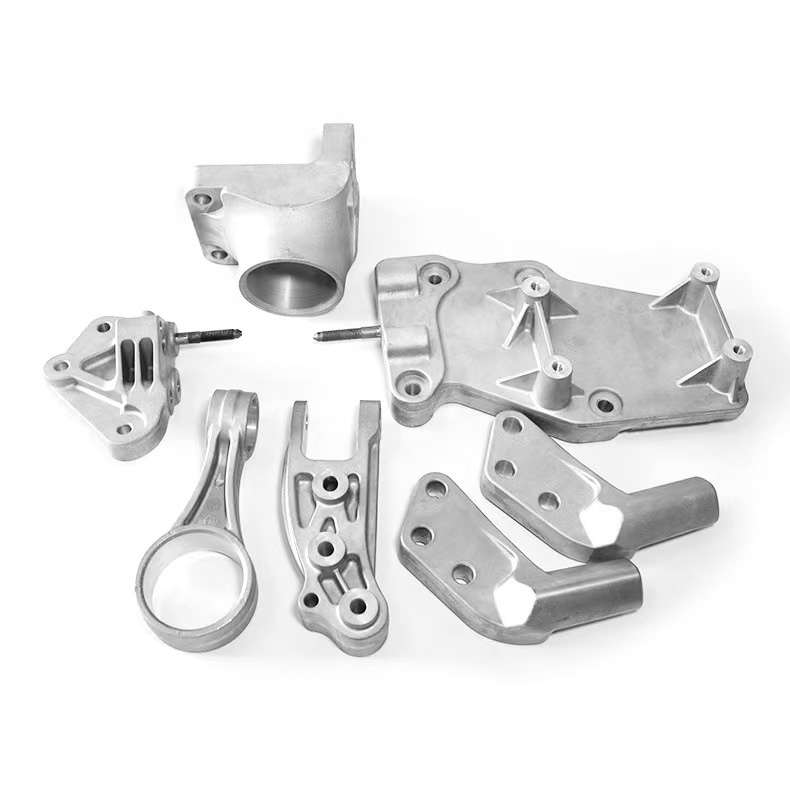
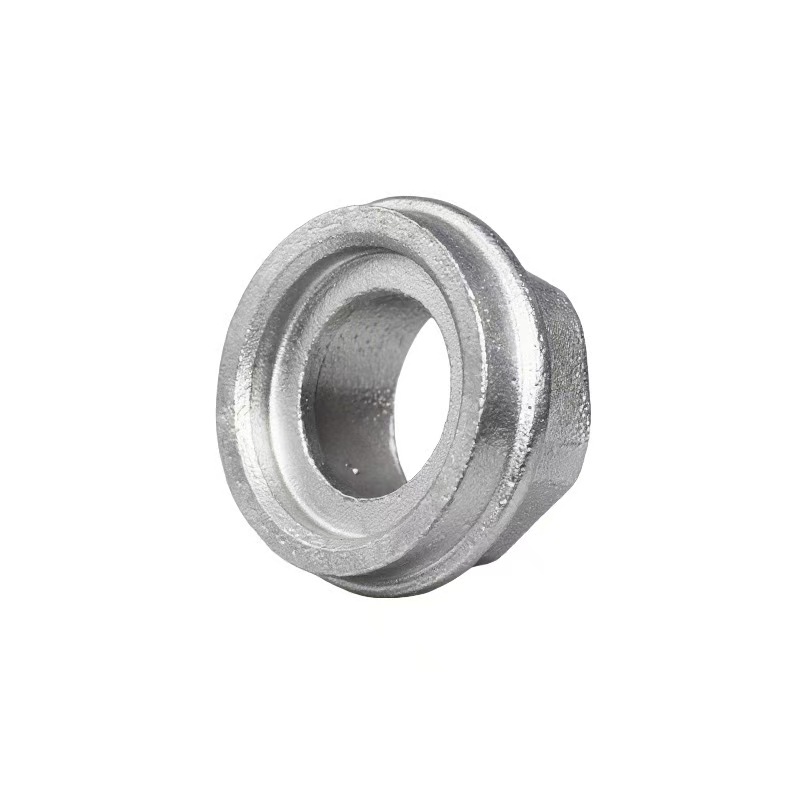
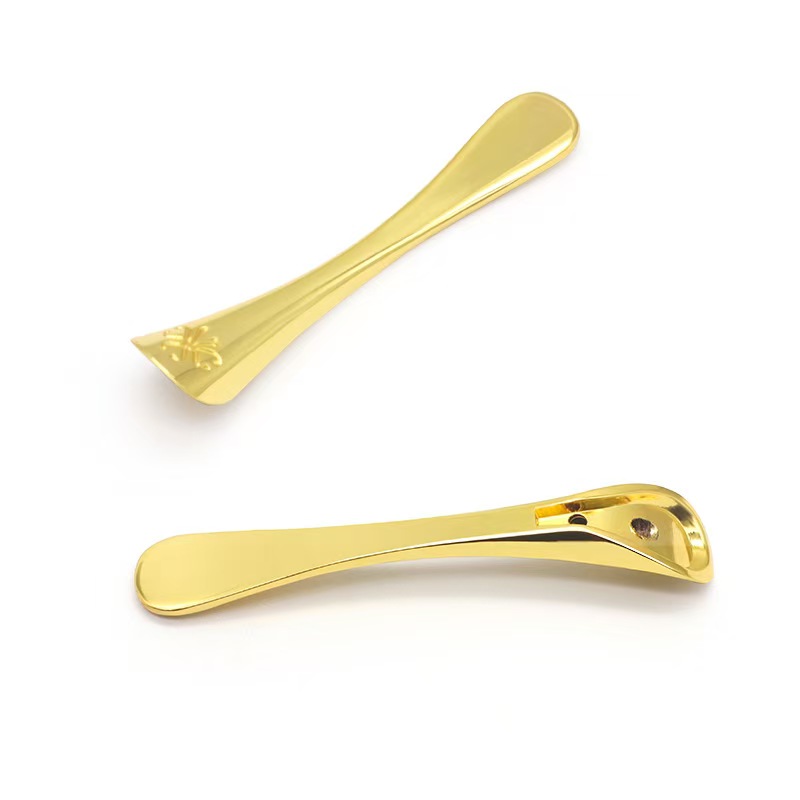
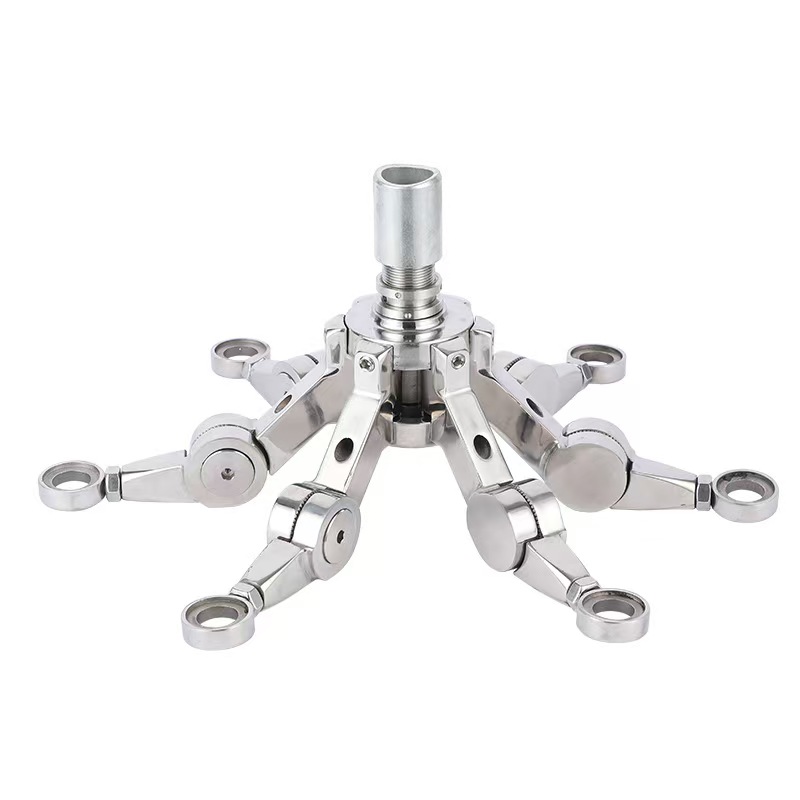
Custom Die Casting Parts
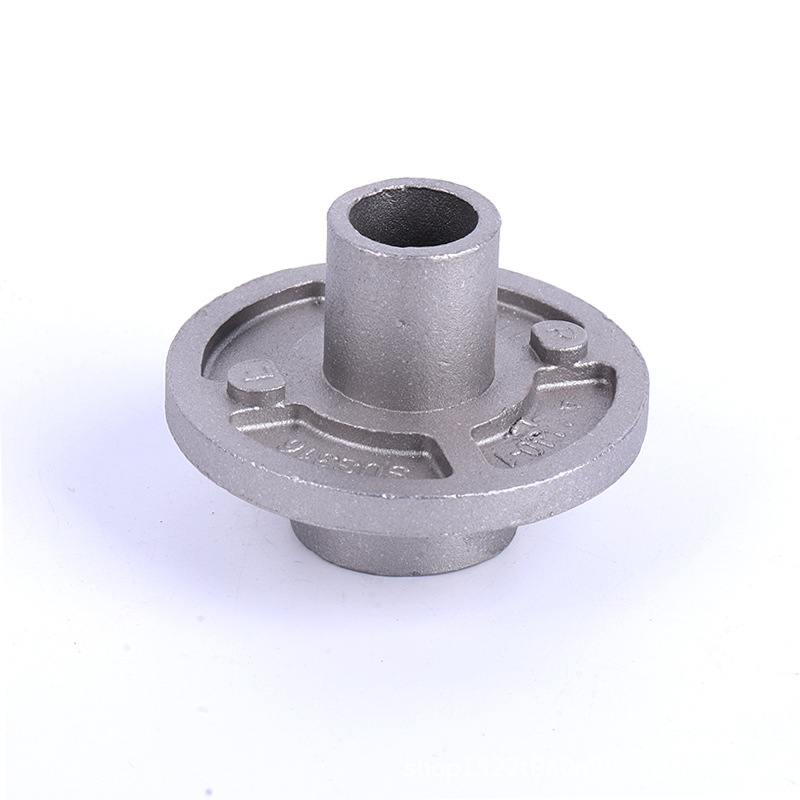
Why XCL for Die Casting
High-quality die cast components with precision machining and reliable finishing solutions.
T1 Samples in as Fast as 7–15 Days
- Tight Tolerances Down to ±0.01 mm
- Support From Prototype to Mass Production
- Ideal for Complex & High-Volume Aluminum Parts
- No MOQ for Prototype Orders
- In-House CNC Machining for Critical Features
- Finishing Options: Powder Coating, Anodizing, Plating, Sand Blasting
- Full Inspection Before Shipment
- Aluminum / Zinc Alloy Die Casting Available
Let’s build something great, together
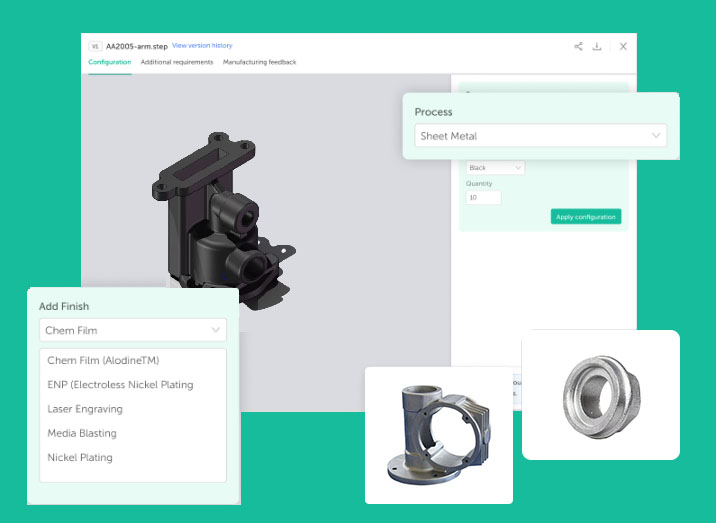
Fast quotes, professional engineering support, and high-quality die casting solutions for your custom components and projects.